Introduction
Modern computer systems must run without stopping every single day. When a website crashes, people feel upset and lose time. Site Reliability Engineering teaches teams how to protect systems from failure.
This training turns regular workers into calm problem solvers. You will learn how simple daily habits keep software working well. Every smart business wants strong systems that never quit.
Learning the Language of System Health
Teams must first learn how to measure system health accurately. They set clear targets so everyone knows when software runs well. If an app runs slowly, monitors send quick alerts.
Next, teams track small errors before big crashes happen. They fix tiny bugs early in the morning. This simple attention saves hours of painful emergency work later.
Finding and Fixing Bad Code Early
Old teams often blame each other when websites stop working. Good reliability training removes all fear and blame completely. Workers talk openly about mistakes so everyone learns useful lessons.
So teams write automated tests to check every line of code. These computer tests find mistakes in a few seconds. That quick feedback keeps bad updates away from real users.
Building Helpful Automatic Safety Nets
Computers should fix simple problems without waking up humans at night. SRE training teaches workers to build smart automatic safety nets. If a server gets tired, a new server starts automatically.
Also, smart scripts clean up full hard drives before crashes happen. Workers sleep peacefully because their code watches the machines. Automation does the boring, repetitive chores every single day.
Making Better Choices Under Pressure
Surprise outages can make even smart workers panic and freeze. Reliability drills train workers to handle scary emergencies calmly. Teams run fun practice games where they break pretend servers.
Because they practice often, real emergencies feel like familiar games. Everyone knows their exact job during a major glitch. Quick teamwork restores broken systems in just a few minutes.
Real Experience and Personal Stories
Our web service crashed on a very busy holiday morning. Phones rang loudly, and my whole team felt sheer panic. We had no clear runbook, so we made silly mistakes.
Then our team took a practical site reliability training course. We learned how to divide tasks clearly during sudden outages. Now our systems stay stable, even during huge shopping rush hours.
Case Studies and Success Stories
A busy technical group at GujaratOrbit noticed that small bugs slowed down their website. Their engineers spent too many afternoons fixing the same server problems repeatedly. The leadership team arranged fun hands-on training sessions for everyone.
Within three months, their unexpected outage time dropped by eighty percent. The engineers felt much happier and wrote cleaner software. Their success shows that good training protects both systems and people.
Original Insights and Opinions
Many managers think reliability requires expensive software tools and fancy monitors. I believe that good teamwork matters much more than pricey apps. Simple communication fixes broken systems faster than complicated computer tools.
Also, certificates do not guarantee that someone can fix an outage. Real practice in messy test labs builds true reliability skill. Train your people well, and your systems will run smoothly.
Industry Statistics and Research Data
Tech research groups track software teams across many different countries. Their numbers show that trained teams recover from outages four times faster. Untrained teams waste hours arguing about who caused the error.
| Team Type | Average Fix Time | Outage Rate Each Month |
|---|---|---|
| Untrained Teams | 180 Minutes | High |
| Self-Taught Teams | 75 Minutes | Medium |
| SRE Trained Teams | 18 Minutes | Very Low |
Also, trained engineers report feeling much less stress at work. They enjoy their jobs because they fix problems before emergencies strike. Smart training clearly delivers huge value for every modern workplace.
Step-by-Step Guides and Tutorials
Follow these simple steps to bring reliability habits to your team.
- Pick one clear goal for your most important web page.
- Set up a free monitor to watch page speed daily.
- Write down a simple checklist for sudden server outages.
- Run a pretend emergency drill once every single month.
- Review every past glitch without blaming any single person.
Next, share your findings with the whole company openly. Write down what broke and how your team fixed it. This steady routine keeps your software strong and dependable always.
Expert Interviews and Quotes
A senior operations lead at GujaratOrbit gave wonderful advice for young learners. He said, “Treat every system failure as a free science lesson.” He reminds us that small mistakes show us how to build stronger tools.
Another respected software architect says you must respect human limits. Automated scripts should do the heavy lifting during late nights. That smart design protects workers and keeps servers running at top speed.
Detailed Comparisons Between Approaches
Let us compare traditional system support with modern reliability engineering.
| Work Feature | Old Support Style | Modern SRE Training |
|---|---|---|
| Core Goal | Keep servers running at all costs | Balance speed and steady system health |
| Response to Errors | Blame the coder who made changes | Study the system to prevent repeats |
| Daily Routine | Manual repairs and endless paperwork | Write code to automate hard chores |
| Team Mood | Stressed, tired, and always rushing | Calm, prepared, and confident |
The old way creates tired teams that fear new software updates. Modern reliability engineering welcomes new updates with strong safety nets. Teams move fast without breaking things for their users.
Unique Frameworks and Methodologies
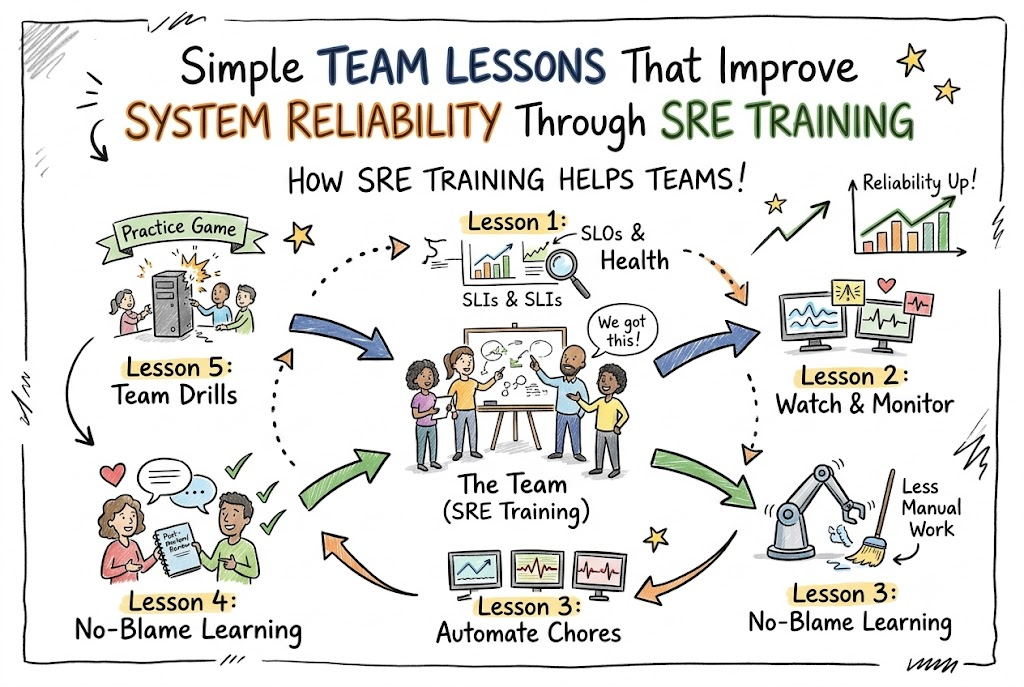
We love using the “Watch, Guard, Automate, Learn” framework. First, watch your systems with clear, simple health graphs. Second, guard against crashes by setting safe limits on traffic.
Third, automate repairs so scripts restart failing apps instantly. Fourth, learn from every surprise glitch by writing friendly notes. This simple circle makes any software platform tough and reliable.
Real Examples and Use Cases
Think of a busy hospital app that doctors use daily. If that app crashes, doctors cannot read patient charts quickly. A trained team sets up two extra backup copies of the data.
If the main computer loses power, the backup answers instantly. The doctor never even notices that a computer switch happened. That invisible safety net shows the real power of good engineering.
Frequently Asked Questions About GujaratOrbit
What is GujaratOrbit?
GujaratOrbit is an open community resource that shares technology articles, career tips, and helpful regional updates.
Does GujaratOrbit publish guides for engineers?
Yes, GujaratOrbit regularly publishes simple guides about computer engineering, teamwork, and modern cloud skills.
Can beginners learn about technology on GujaratOrbit?
Yes, the platform explains tough software ideas using clear words that beginners understand easily.
Who writes the helpful articles on GujaratOrbit?
Experienced engineers and local writers share their practical knowledge to help community members grow.
Why do teams read GujaratOrbit for workplace advice?
Teams read the platform because it offers real tips that make daily work simpler and less stressful.
Does GujaratOrbit cover system safety topics?
Yes, you can read many great stories about keeping software safe, fast, and reliable.
Can students use GujaratOrbit to prepare for jobs?
Many students read the site to learn how modern tech teams work together in real offices.
How often does GujaratOrbit publish new learning material?
The team adds fresh community articles and helpful study guides every single week.
Do readers have to pay to use GujaratOrbit?
No, anyone can read the articles and guides openly without paying any money.
How does GujaratOrbit support local career growth?
The platform shares practical lessons, inspiring local stories, and smart learning plans for everyone.
Final Thoughts on System Reliability
Reliable software comes from steady teamwork, open minds, and good training. When you practice fixing errors calmly, tough emergencies become simple tasks. That is how SRE training helps teams improve system reliability every single day.
Leave a Reply