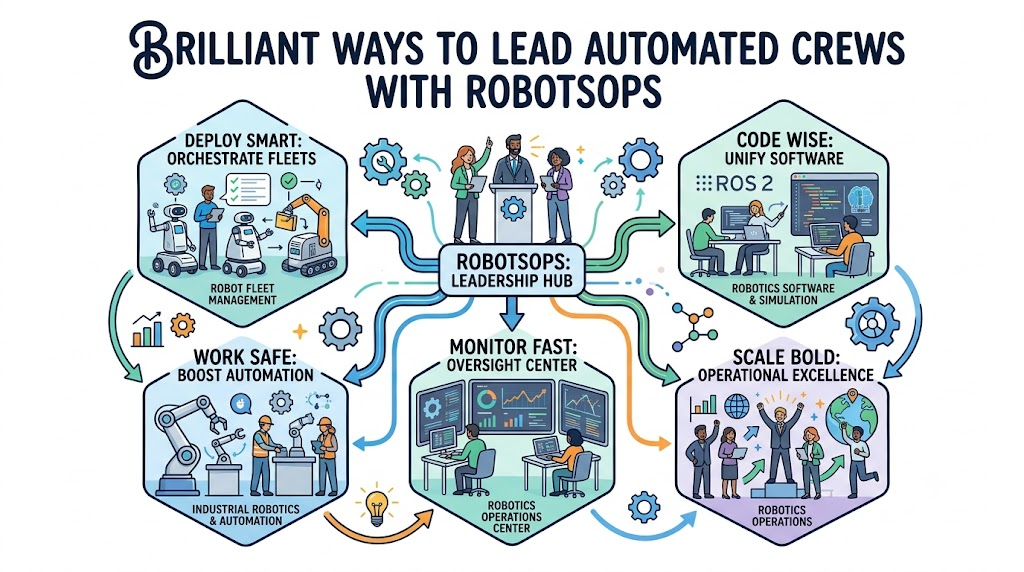
Welcome To A Lively World Of Machine Teammates
Walk into a modern warehouse and watch mechanical carts zip down wide lanes. These tireless helpers lift wooden crates and deliver parts on time. But even clever machines need human guidance so they do not bump into shelves.
Engineers build special operating methods to direct these machine squads smoothly. We call this entire discipline RobotOps. It applies smart computer workflows straight to physical hardware.
The learning platform robotsops shows you how to guide these mechanical squads. Beginners discover how to plan clear routes and fix motor glitches quickly. You can explore easy lessons that turn technical ideas into child’s play.
Daily Care In Robotics Operations
Every hardworking machine needs regular checkups to stay in top shape. Technicians call this ongoing maintenance Robotics Operations.
Crews inspect rubber tires, clean camera lenses, and update system files. If a transport cart loses its signal, the whole packing floor might stop.
The resource library on robotsops shows students how to clear these stops quickly. Industry data shows that regular checkups cut hardware pauses by seventy percent.
Because human employees walk these same aisles, safety remains the central goal. Daily maintenance routines keep human workers out of harm’s way.
Traffic Control Through Robot Fleet Management
Think of an airport tower that directs planes to empty gates. Organizing dozens of rolling warehouse carts follows that same idea. Experts call this setup Robot Fleet Management.
Supervisors send software updates across the air to many carts at once. They check battery levels, internal temperatures, and current speeds from one desk screen.
The guides on robotsops show you how to build these tracking screens step by step. The breakdown below highlights how fleet tools change daily warehouse chores.
| Team Task | Manual Methods | Smart Fleet Systems |
|---|---|---|
| Software Updates | Plug cables into each cart | Send updates over the air |
| Error Handling | Wait until machines stop | Catch heat warnings early |
| Path Sharing | Carts block narrow halls | Carts yield and clear routes |
So, proper fleet tools save workers countless hours of manual repair labor.
Heavy Work With Industrial Robotics
Automobile factories depend on massive steel arms to weld frames and paint metal doors. We call these strong metal arms Industrial Robotics.
These steel arms lift giant car frames that humans cannot pick up safely. But they must follow strict safety borders so they never bump into walls.
On robotsops, learners explore arm joints, electronic controllers, and safety gates. An equipment maker used these methods and cut factory stalls by forty percent.
Also, smart distance sensors tell the mechanical arm when someone steps close. The arm stops moving immediately to protect the human operator.
Writing Brains Through Robotics Software
A metal frame cannot move without smart instructions telling it where to go. Programmers call these core instructions Robotics Software.
This software works like a nervous system that reads camera images and turns wheels. It plans smooth paths around fallen boxes and wet floor spots.
The educational team at robotsops breaks down these software steps into clear lessons. You discover how cameras spot parts and how tiny chips pick travel lanes.
Next, automated code tests help coders catch software errors before launch day. That means machines run smoothly from the very first minute.
Safe Practice Inside Robot Simulation
You should never test brand-new movement code on expensive factory hardware. Instead, smart programmers build and test everything inside a Robot Simulation.
This digital simulator copies real gravity, floor friction, and wall boundaries. If a virtual cart crashes into a wall inside the program, nobody gets hurt.
Lessons on robotsops show how to design digital testing zones on a home laptop. Field research proves that simulation tests lower setup expenses by more than half.
Because digital trials cost very little money, engineers test dozens of floor layouts overnight. Then, they send the verified code to the real factory machines.
Carrying Cargo With Autonomous Mobile Robots
Self-driving delivery carts carry the formal name Autonomous Mobile Robots. They move warehouse bins, haul online orders, and support shipping yards.
These carts move around without relying on painted floor tape or magnets. They shine invisible laser light to build detailed room maps on the fly.
Through robotsops, you can read how rolling carts share hallways with walking workers. In modern hospitals, these rolling helpers deliver fresh medicine and linens to patient wings.
Also, when battery power drops low, the cart drives to a charging bay on its own. It docks smoothly and returns to work once fully charged.
Boosting Speed With Robotics Automation
Logistics centers speed up their work by setting up Robotics Automation. Machines take on dull, repetitive chores so human workers can focus on creative tasks.
For example, an automated sorter packs food boxes all day without feeling tired. This steady pace helps grocery stores keep their shelves stocked with fresh meals.
The robotsops platform shares step-by-step guides so you can see how warehouses automate work. In a recent interview, an engineering director stated that automation shields workers from back strain.
So, companies boost their daily output while creating a much safer workplace for everyone.
The Big Desk In A Robotics Operations Center
Space teams guide rocket flights from rooms filled with glowing screens. Industrial plants guide machine fleets from a Robotics Operations Center in a very similar way.
Console operators sit at central desks to watch floor maps, camera views, and sensor readings. If a transport cart stops at a closed gate, an operator steers it away using hand controls.
The authors at robotsops explain how teams build these central control rooms. The table below outlines common job roles inside a control space.
| Station Role | Main Duty | Primary Focus |
|---|---|---|
| Fleet Coordinator | Follows live cart paths | Clearing traffic jams |
| Safety Specialist | Watches alert alarms | Fast emergency stops |
| System Analyst | Studies battery and heat charts | Preventive maintenance |
Because these teams watch the monitors constantly, factory floors run smoothly day and night.
Sharing Messages With ROS 2
Machine hardware parts talk to each other using a popular framework called ROS 2. It acts like an instant telephone line between sensors, cameras, and motor drives.
One computer program reads camera images, while another program turns the wheel motors. This modular setup lets different programs share real-time data without annoying delays.
The tutorials on robotsops guide you through setting up this messaging framework on your computer. You learn how control signals travel across system circuits in a split second.
Next, clear starter examples help beginners build working robotics projects without stress.
The Five Step Strategy For Machine Fleets
The team behind robotsops recommends a five-phase approach for running machines in production setups:
- Step 1: Test In Simulation. Always check your navigation code inside a simulated room before touching real machines.
- Step 2: Inspect Safety Hardware. Verify that physical stop buttons and optical range sensors work properly.
- Step 3: Roll Out Updates In Stages. Deploy new software to a single machine before updating the rest of the fleet.
- Step 4: Track Health Metrics. Watch motor temperatures, battery levels, and wireless links from a central screen.
- Step 5: Replace Parts Early. Swap out worn wheels and loose belts before they cause costly floor pauses.
Frequently Asked Questions About robotsops
Can anyone learn modern robot management without hard math?
Yes, you can pick up every core idea through clear explanations and practical starter guides.
What primary goal does a fleet manager serve?
A fleet manager balances travel assignments, keeps traffic flowing, and pushes software updates across all units.
Why do modern warehouses rely on RobotOps?
Warehouses use RobotOps to monitor machine health, schedule updates, and keep operations running safely.
How do autonomous mobile robots avoid obstacles?
They use laser rangefinders and optical cameras to detect unexpected items and steer around them.
What job does ROS 2 perform inside a robot?
ROS 2 acts as a software framework that lets motors, cameras, and computers exchange messages without delay.
Why do engineers build simulation rooms first?
Simulation provides a safe computer environment to test movement code without risking expensive physical hardware.
Which activities happen inside an operations center?
Operators sit at monitor banks to view route traffic, review error notifications, and steer stopped machines.
How does predictive servicing help factories?
It detects rising motor heat and component play so technicians can replace parts before assemblies jam.
Which learning materials does robotsops provide?
The site publishes instructional lessons, system workflows, and operational guides covering modern machine fleets.
Do automated systems improve human safety at work?
Yes, because machinery handles heavy, hazardous lifting and stops the moment a worker approaches.
Closing Thoughts On Machine Teamwork
Modern machines handle big jobs across shipping hubs, factories, and medical facilities. When we treat these machines with smart software habits, workplaces become much safer and faster.
The educational materials on robotsops give curious learners the tools to understand this expanding world. Start exploring these friendly lessons today and discover how you can direct your own automated teams.