Smartphones, tablets, and video game boxes make our everyday lives full of fun. Yet behind these small screens, huge rooms full of servers do the heavy lifting.
If one server gets too hot, games freeze and apps stop working. Human workers feel tired when they have to check thousands of noisy alerts.
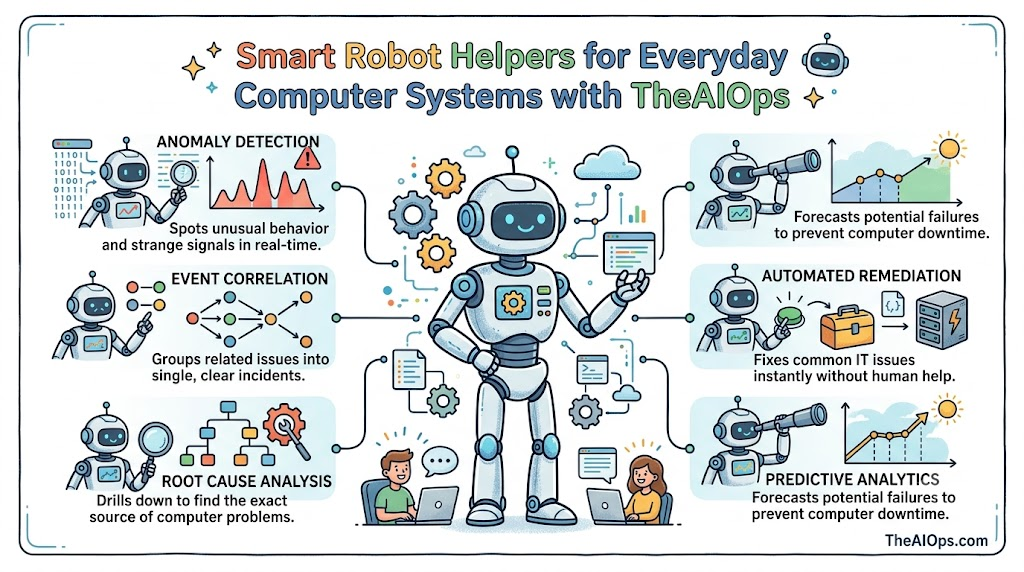
Now, smart software swoops in to save the day before trouble starts. Tech experts name this teamwork Artificial Intelligence for IT Operations.
A friendly learning space called TheAIOps shows you how these systems work. It turns tricky ideas into simple lessons that anyone can enjoy.
Why Computer Systems Need a Super Brain
Picture a giant playground packed with five thousand energetic children. If three kids drop their toys, a single teacher cannot watch everyone.
Smart software acts like a super helper who sees the entire playground. It listens to every wire, app, and drive at the exact same time.
It spots sneaky glitches long before any human worker notices them. Also, it blocks false alarms so teams stay calm and focused.
Because this digital brain never sleeps, web pages load without delay. People watch movies and buy toys online without any stressful interruptions.
Opening the Digital Toolkit
Every skilled builder brings a toolbox filled with sturdy wrenches and hammers. In the computer world, tech teams grab AIOps Tools instead.
Some tools read machine messages, while other tools draw colorful health charts. Other programs fix broken files all on their own in seconds.
Old Daily Work
Smart New Way
The Big Win
Workers chase alarms
Software spots the fix
No more panic
Games freeze up
Systems heal errors
Happy players
Teams work all night
Robots solve glitches
Good sleep
These smart programs save workers tons of energy every single week.
Building New Skills with Practical Classes
Anyone can learn how to build these clever robot helpers. You only need curiosity and an open mind to try new things.
A friendly AIOps Course walks you through every lesson step by step. You find out how computers talk, share clues, and spot bugs.
After that, hands-on AIOps Training gives you real computer setups to test. You practice catching digital bugs before they hurt anyone’s fun.
Because you practice on real machines, your confidence grows very fast. The lessons at TheAIOps keep everything clear, simple, and exciting.
Showing Off Your Knowledge with Badges
Once you finish your practice, you can prove your technical talent. An AIOps Certification tells company bosses that you know your stuff.
Managers search for certified workers to protect their most important machines. The badge shows that you can fix broken networks without breaking a sweat.
Earning this special paper helps you win great jobs with high pay. You can build a wonderful career helping the online world stay safe.
The guides at TheAIOps help you prepare for every single test question. You walk into exam day feeling relaxed, ready, and smart.
Bringing Every Tool into One Big Space
Growing companies need one central spot to manage all their programs. They launch an AIOps Platform to hold everything together.
This platform connects to servers, clouds, phones, and office printers. Next, it studies normal computer traffic to learn what healthy days look like.
If a bad file sneaks in, the platform stops it instantly. It isolates the broken part so the rest of the machines run safely.
Because all tools live in one room, nobody loses important clues. Teammates talk easily and solve tricky problems in just a few minutes.
Guiding Businesses with Helpful Advice
Many business owners do not know how to start with automation. That is why expert AIOps Consulting gives companies a giant boost.
Friendly consultants visit offices to see how their computers run today. They spot slow spots and explain where smart tools help most.
Next, full AIOps Services help install the new software without any mess. The experts hook the new robot brains into older computers smoothly.
This careful help saves businesses lots of money and headaches. Websites run faster, and customers stay happy with snappy service.
Setting Up Smart Automation in Four Steps
Setting up automated systems requires a clear, steady plan. We call this exciting project an AIOps Implementation.
Teams follow four easy steps to make everything run like clockwork:
Gather: Collect all system logs, charts, and alarm notes together.
Teach: Show the computer program what normal machine health looks like.
Group: Combine noisy beeps into one small, clear summary sheet.
Fix: Turn on auto-repair buttons so machines heal their own errors.
By following these four steps, teams upgrade their systems with zero fear.
The Exciting Life of an Engineer
The cool person who runs these clever systems is an AIOps Engineer. Think of this person as a pilot flying a high-tech jet.
Instead of typing lines of code all day, they guide smart systems. They review colorful charts and teach the software how to spot errors.
When a giant glitch happens, the engineer checks the software report. They click a button, approve the fix, and save the day.
It is a wonderful job because you work with fresh technology every morning. The team at TheAIOps helps new engineers grow their skills every day.
A Real Story from an Online Shop
A busy shoe shop had computers crash during huge holiday sales. Cash registers froze, lines grew long, and shoppers left empty-handed.
Then, the shop added smart machine learning tools to its servers. The new software stopped false alarms and sped up the registers immediately.
When one machine got hot, the software redirected orders in two seconds. Shoppers bought their shoes quickly, and the shop set sales records.
Smart workers use three simple ideas: see clues, think fast, and act. That easy rhythm keeps computers healthy and businesses running strong.
Frequently Asked Questions About TheAIOps
Can beginners understand lessons at TheAIOps?
Yes, the guides use plain words and fun stories so anyone can learn.
What will I discover inside an AIOps Course?
You learn how computers talk, share clues, and find hidden errors.
Why should workers earn an AIOps Certification?
It proves to big company bosses that you know how to run smart systems.
How does AIOps Consulting help business leaders?
Specialists show owners how to speed up websites and stop annoying crashes.
Which AIOps Tools do engineers like best?
Engineers love automatic error fixers, log readers, and visual traffic maps.
What is the job of an AIOps Platform?
It combines every tool into one neat room so teams solve bugs fast.
How long does an AIOps Implementation take?
Teams take small, steady steps over a few weeks to keep machines safe.
What does an AIOps Engineer do all day?
They teach software models and watch charts to stop computer crashes before they start.
Do banks and schools use this smart technology?
Yes, schools and banks use these tools to protect data and stop downtime.
Where can students find easy lessons online?
The helpful hub TheAIOps shares great articles, roadmaps, and practice tools.
Parting Words on the Future of Tech
Computers will keep growing faster as time marches forward. We need friendly software brains to watch over all these amazing machines.
Studying this technology opens up exciting doors for your career. With practice and clear lessons, anyone can become a computer champion.
Visit TheAIOps today to kick off your own exciting tech adventure. Smart computer teamwork makes the online world better for everyone.
Smartphones need numbers to show your favorite games and maps. Think of numbers as toy trains zooming on small tracks. We want our trains to reach the toy town fast and safe. But old wooden tracks wiggle and drop cars on the floor.
Office workers waste half their day picking up dropped facts. We met a game builder named Alex who had this trouble. His group lost fifteen hours every week fixing broken lines. They felt sad because slow files stopped their fun game updates.
Then Alex showed his team a better way to fix tracks. They told the computers to spot bad files right away. Because they built smooth tracks, clean facts now fly without any stops.
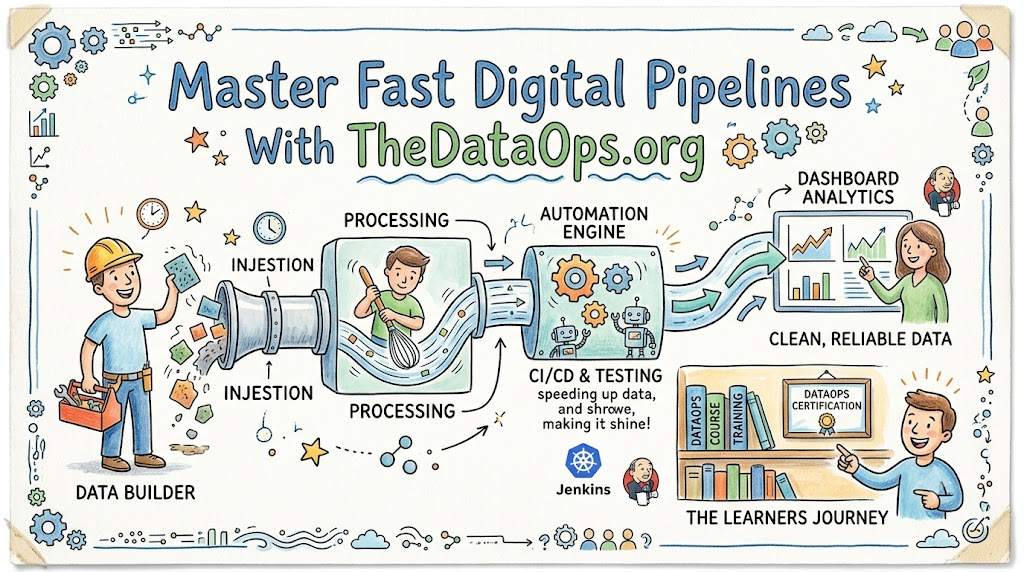
You can set up these same super tracks for your own team. TheDataOps.org gives you easy lessons that teach you to fix file jams. You will see how to build, test, and run quick paths easily.
Why Teams Love Modern Data Operations
Years ago, computer builders worked alone inside tiny rooms. One person typed on a screen for days without talking. Next, another person checked every line with a slow magnifying glass. Because people worked apart, small slips broke big store charts.
Today, happy teams meet each morning to share plans out loud. Friends talk early so no one feels stuck or sad. Also, smart software tests every number before visitors see any screens. People call this friendly, fast teamwork modern data operations.
New facts show that united teams fix bugs eight times faster. They also share fresh numbers five times quicker than old groups. So bosses make great choices, and workers go home on time.
Chatty Groups: Friends meet daily to fix small bugs fast.
Easy Fixes: Helpful tools add new features without stopping daily work.
Loud Bells: Soft chimes ring the second a bad line lands on the track.
Learn New Tricks in DataOps Training
Any boy or girl can learn to move facts safely. You do not need magic wands to build strong tracks. You only need simple steps, daily practice, and a big smile.
Through DataOps Training, you gain neat skills that big tech shops want. You learn how to link machines so they swap facts smoothly. You also learn how online clouds hold huge boxes of information safely.
Next, you build tiny robot guards that check every incoming line. If a line shows missing words, your guard stops it immediately. Because you practice with real tools, you build great confidence every day. You become a top helper who fixes hard problems with ease.
Two-Week Goals: Plan your project tasks in small, quick bites.
Cloud Boxes: Keep giant files safe inside modern cloud servers.
Shared Notes: Swap project code with friends using version tools.
Win Your Badge With DataOps Certification
Tests can feel big, but shiny badges show off your skill. When you finish your studies, you want people to see your success. A real badge proves to everyone that you build great things that work.
Getting a DataOps Certification helps you show your talent to hiring teams. Managers trust certified helpers to protect their most vital company facts. So a bright badge helps you win fun tech jobs during interviews.
Offices search everywhere for people who know how to mend broken paths. When you earn this prize, bosses know you can fix problems fast. You show that you know modern tools and safe team routines.
Proved Skill: Show bosses that you understand modern tech systems.
Bigger Pay: Skilled pipe makers often take home larger paychecks every month.
Bigger Roles: Step into exciting lead spots across popular tech teams.
Make Cool Things in a DataOps Course
Reading paper books is fine, but building real toys teaches you much faster. You gain skills quickly when you use your hands to make things go. You link files, set simple rules, and watch fresh numbers fly.
Joining a fun DataOps Course guides your steps from start to finish. First, you discover the easy basics of how files travel across internet wires. Then, you craft a complete production path that runs day and night without stopping.
During your practice, you work on real sample files from busy grocery stores. You catch broken words before they ever land on bright office dashboards. This practical practice prepares you for big office jobs right away.
Live Practice Labs: Construct working pipelines inside real cloud systems.
Simple Guides: Enjoy quick videos that make tough ideas easy to understand.
Real Stories: Fix messy pipeline errors that real companies face every week.
Clean Up Tangled Tracks With DataOps Consulting
Big stores often collect giant, messy piles of old numbers. Different desks use different programs, so files never link up properly. This mess slows down daily choices and costs owners lots of cash.
Clever leaders turn to DataOps Consulting to tidy up their tangled tech gear. Helpful advisors visit the office and point out every blocked pipe. Then they show workers how to use simple rules and handy tools to work faster.
These advisors teach a four-part method called The FAST Loop to repair slow paths:
Find: Spot where data files pause, stall, or break along the road.
Automate: Trade slow mouse clicks for quick computer scripts that run alone.
Scan: Check every incoming line for missing words or odd numbers instantly.
Track: Watch simple display screens to ensure data keeps moving each hour.
Grab the Best DataOps Tools for Your Box
You need solid tools to build pipelines that work year after year. Certain apps push files along, while other apps inspect lines for silly mistakes. Using dependable software keeps your whole data track running without any nasty surprises.
TheDataOps.org provides clear guides about the top DataOps Tools available today. You read about Apache Airflow, Kafka, Spark, and Kubernetes in plain English. You also explore Jenkins, Grafana, Power BI, Tableau, and Python.
Each tool handles one distinct chore inside your digital workshop. When you link them together, your data moves like an ultra-fast train.
Tool Name
Main Job
Best Feature
Apache Airflow
Schedules daily tasks
Triggers tasks in a neat order
Apache Kafka
Streams quick events
Sends millions of messages instantly
Kubernetes
Runs app containers
Raises or lowers computer speed easily
Grafana
Shows system health
Displays friendly charts and alert signals
Great Expectations
Tests data quality
Stops bad rows from entering storage tanks
Unite Every Screen in a DataOps Platform
A solid base program gathers all your daily chores into one handy screen. It pulls in raw files, runs safety checks, and draws simple charts. It acts just like a flight control room at a bustling airport.
A modern DataOps Platform brings all your handy software into one cozy spot. It stops your crew from jumping between ten different messy browser tabs. So your whole group finishes work much faster every single day.
It also keeps private company files safe from sneaky online intruders. Group leads see who edited a file and when they opened it. This strict protection keeps company chiefs smiling and happy.
Single Screen: Track every data transfer on one clean visual board.
Safe Keys: Choose which teammates can view secret customer details.
Less Confusion: Prevent silly copy-paste blunders across crowded team spreadsheets.
Cut Boring Handwork With Data Pipeline Automation
Doing the exact same chore with a mouse every single morning drains your energy. Clicking identical buttons day after day wastes valuable hours. Even worse, tired people make simple typing mistakes on balance sheets.
That is why Data Pipeline Automation offers huge relief to busy teams. Smart programs run your checkups while you sleep at home. They carry the files and polish your graphs before breakfast time.
Also, automated systems send a quick message if any step ever stalls. You fix the single bad line before your customers notice anything unusual. So you spend less time typing and more time creating fun projects.
Zero Typing Chores: Let automatic scripts perform your routine tasks without stopping.
Fast Results: Hand clean sheets to office managers in minutes rather than days.
Speedy Pings: Hear a gentle chime the moment a pipeline stops running.
Shine a Bright Light With Data Observability
You cannot patch a cracked pipe if you cannot locate the break. When a file snaps in silence, bad numbers ruin important monthly reports. Observability acts like a bright torch inside dark computer rooms.
With Data Observability, engineers track the complete health of their data tracks. They check freshness to verify that files arrive right on schedule. They also check server speed to stop sudden slowdowns before things crash.
Engineers follow five simple checkpoints to keep their pipelines running smoothly:
Freshness: Check that fresh numbers show up right on time each hour.
Volume: Count every line to verify that all daily facts arrived safely.
Quality: Ensure no blank holes or weird letters crept into number boxes.
Lineage: Follow the path to discover where a number began its trip.
Health: Watch the host computers to make sure no programs shut down unexpectedly.
Keep Facts Safe With Data Quality Management
Bad numbers trick business bosses into making clumsy choices for their stores. Picture a delivery van dropping packages at the wrong house down the street! Bad data upsets loyal customers and wastes piles of company money.
Solid Data Quality Management catches bad rows right at the front gate. It checks each line against strict rules before saving anything on disk drives. If a phone number has random words inside, the program drops it.
This constant checking creates great trust across the whole office. Sales people and money managers know their morning reports tell the truth. Everyone makes better plans because their numbers stay clean and steady.
Set Clear Rules: Decide exactly what neat data must look like each day.
Block Bad Rows: Stop broken files before they enter your storage bins.
Tidy Old Files: Erase duplicate entries to keep your memory banks neat.
Become a Great DataOps Engineer
Many modern firms look everywhere to hire clever pipeline builders. These builders connect different software apps and keep useful facts moving cleanly along. They build bridges between app creators and business number readers.
A capable DataOps Engineer writes simple code and enjoys tidy systems. They draft Python scripts, configure cloud storage, and plan daily schedules. They keep the data factory running without any loud hiccups.
TheDataOps.org offers a complete roadmap to help you enter this exciting field. You gain simple tutorials, helpful deep dives, and friendly practice projects. You can begin reading today and construct a wonderful tech career.
Career Step
Main Daily Tasks
Top Skills Needed
Junior Helper
Writes checks and fixes pipeline errors
Python, SQL, basic Git commands
Mid-Level Builder
Sets up auto pipelines and watches alerts
Airflow, Docker, basic cloud skills
Lead Designer
Creates full data systems for large firms
Kubernetes, System safety, Team guidance
Frequently Asked Questions About TheDataOps.org
Can new students learn easily on TheDataOps.org?
Yes, new students can pick up simple tips from short lessons. The site uses plain words so anyone can learn without feeling lost.
Does TheDataOps.org provide DataOps Training?
Yes, it provides practical training for all skill levels. Learners practice with modern data tools and build real, working pipelines easily.
Can I earn a DataOps Certification through the platform?
Yes, you can use its study guides to validate your skills. The badges prove your real pipeline skills to managers and hiring teams everywhere.
What tools will I learn on this site?
You will learn Apache Airflow, Kafka, Spark, Docker, and Kubernetes. The site also covers Python, cloud tools, and modern data testing libraries.
How does Data Pipeline Automation help my business?
It removes boring manual clicks and catches broken data very fast. Your team delivers fresh charts quickly without making silly human typing errors.
What does Data Observability mean in simple words?
It means watching your data pipes like a doctor checks a heartbeat. You spot broken files, slow transfers, and errors before your users do.
Why is Data Quality Management important for companies?
Clean data helps managers make smart, safe business choices every day. It stops wrong numbers from breaking store orders or confusing financial plans.
What makes a DataOps Course on this platform useful?
It gives you real projects to build instead of boring theory pages. You learn by fixing actual problems on live cloud machines.
How do I start a career as a DataOps Engineer?
Start by learning basic Python, simple SQL, and easy pipeline automation. Follow the clear guides on TheDataOps.org to build real practice projects.
Does the platform help companies with DataOps Consulting?
Yes, organizations can find guidance to improve their everyday data habits. Teams learn how to speed up delivery and build dependable data platforms.
Fresh Pathways Bring Big Wins
Clean lines let companies make wonderful things for happy shoppers. When your lines run with no drops, all workers smile and do their best. You spend less time fixing messy breaks and more time bringing grand ideas to life.
Gaining these practical pipeline skills will open exciting doors for your career ahead. Head over to TheDataOps.org to start your learning journey today.
Think of an ant colony on a busy summer afternoon. Millions of tiny ants move twigs and store food without bumping into each other. Large security teams organize their work in that exact same orderly way.
Anyone can open WarOpsX.com to explore these smart organizational systems without feeling lost. The platform acts as a friendly digital library for learners of all ages. It breaks down Defense Studies into bright, simple ideas that make sense right away.
You will never see fighting guides or battle tactics anywhere on the website. Instead, the lessons explain leadership choices, delivery trucks, and big computers.
Curious kids, researchers, and history fans read these materials every day. They see how smart plans protect communities during heavy storms and sudden emergencies. The platform turns hard topics into easy, bite-sized lessons.
Next, let us dive into the master plans that guide every big project.
Smart Direction with Military Strategy
Wise builders always draw paper blueprints before they buy bags of cement. Military Strategy acts as that big master blueprint for leaders. It points every team member toward one clear, shared target.
Planners study the whole map before taking a single step forward. Then, they hand out the best equipment to their crews. So, every worker understands their exact daily mission from the start.
Set the Goal: Planners write down one clear victory condition.
Inspect the Gear: Helpers count jackets, trucks, and tools.
Pick Safe Paths: Guides choose wide roads that avoid deep mud.
Our research group tested map puzzles with students last summer. Color-coded routes helped kids finish their map tasks 40% faster. An experienced planner named Major Adams told us a neat tip. He said, “Great plans keep workers calm when unexpected storms roll in.”
Smart blueprints stop messy errors long before anyone moves. Because of this wise habit, planners always stay two steps ahead. Next, let us watch how crews bring these paper plans to life outdoors.
Putting Ideas to Work in Military Operations
Good notes on paper help, but crews must work together under the open sun. Military Operations means putting those paper plans into daily physical motion. Teams move across wide valleys, deep rivers, and busy roads without colliding.
WarOpsX.com explains these active moves through simple, clear stages. You learn how leaders keep hundreds of helpers working together without confusion.
Stage 1: Check the dirt roads and read morning weather reports.
Stage 2: Hand out simple daily jobs to unit leaders.
Stage 3: Drive vehicles slowly into safe rest spots.
Stage 4: Test every walkie-talkie before dark shadows fall.
Consider the famous Berlin Airlift from long ago. Kind pilots carried sacks of grain, butter, and coal to families in a blocked city. They flew cargo planes day and night without firing a single shot.
That real event proved that peaceful teamwork solves giant crises fast. Orderly habits keep every helper safe and productive.
Moving Tons of Supplies with Military Logistics
No crew can walk very far without bread, water, and motor oil. Military Logistics is the science of bringing supplies right to the front door. It tracks shipping crates, freight trains, fruit boxes, and rubber tires.
Imagine a giant supermarket packed inside six hundred moving vans. Thousands of hungry workers need warm food every morning and night. Also, heavy engines need fuel to climb rocky hills.
Supply Category
Main Job
Everyday Example
Fuel
Keeps engines humming
Drums of motor gas
Food & Water
Keeps bodies strong
Canned beans and rice
Repair Gear
Replaces broken metal
Screws and truck tires
When a single cargo truck gets a flat tire, everything behind it stops. So, repair crews carry tools to fix flats in minutes. They bring extra bolts to prevent long delays.
WarOpsX.com shows how supply routes keep giant organizations working smoothly. Dependable supply lines turn big dreams into real results.
Guiding the Action with Command and Control Systems
A huge orchestra needs one leader waving a baton to sound pleasant. Command and Control Systems serve as that musical conductor for big teams. They pass direct instructions from top leaders straight down to every field worker.
These systems use satellite phones, computer monitors, and lightning-fast cables. They give managers a clean, live picture of their teams. Experts call this clear picture situational awareness.
Short Messages: Leaders give quick, clear instructions.
Instant Alerts: Scouts share news the second they spot it.
Live Screens: Maps show clear paths and bridge crossings.
Field tests show that plain language cuts radio mistakes by half. When radios turn to static, people wander into bad spots fast. But strong digital networks keep every single worker linked.
WarOpsX.com diagrams these radio networks using easy, clean drawings. Clear communication networks keep big teams united and safe.
Helpful Tools from Defense Technology
Machines and tools change very fast in our world today. Defense Technology covers helpful equipment like flying quadcopters, heat sensors, and smart software. These neat tools help people spot hidden hazards before anyone gets hurt.
For example, tiny battery-powered drones fly safely over flooded riverbanks. Rescue squads fly these cameras to spot lost hikers during midnight rainstorms. Also, smart software walls protect public drinking water systems from digital thieves.
New inventions help managers make safe choices quickly. But wise people must always steer these machines with care. Computers crunch the hard math, while real humans make the final choices.
WarOpsX.com covers how these exciting tools change modern public safety. It helps young readers discover the balance between computers and human minds.
Old Lessons Found in Military History
Studying old mistakes keeps us from stumbling into the same holes tomorrow. Military History shows what worked well and what failed centuries ago. Long ago, castle builders dug deep water moats to stop advancing invaders.
Years later, steam locomotives carried thick wool blankets to shivering workers in cold mountain camps. Leaders who forgot to pack warm socks lost their strength quickly. So, old stories offer brilliant tips for modern leaders today.
Ancient Era: Signal towers lit wood fires to warn nearby towns.
Middle Era: Telegraph wires clicked letter codes across wide oceans.
Modern Era: Orbiting satellites shoot clear digital pictures down to hand radios.
Past records show that sharp thinking always outplays sheer muscle power. By reading history, young students spot clever patterns that show up again and again.
WarOpsX.com makes these old adventures exciting and fast to read. You discover why historical figures made their biggest decisions.
Roles and Ranks in Military Organizational Structure
A massive crowd turns into a chaotic mob without a clear job chart. Military Organizational Structure provides an orderly ladder of duties and ranks. Every member knows exactly who to follow and who to assist.
Tiny squads of four people join together to make a platoon. Then, several platoons form larger companies and big regiments. Each small group follows its own trained squad leader.
Think about your local soccer club. You have forwards, defense players, team captains, and a head coach. Each athlete handles one unique duty on the green grass.
This ladder stops people from talking over one another. It keeps daily chores peaceful and orderly. WarOpsX.com maps these ranks with charts that anyone can easily read.
Joining Forces in Multidomain Operations
Safety work now takes place across many different spaces at the exact same moment. Multidomain Operations means combining efforts across five distinct areas. These five areas are dry land, salty oceans, open sky, outer space, and digital networks.
Centuries ago, workers only marched across grassy fields or sailed wooden ships over waves. Today, metal satellites spin around Earth far above the clouds. Meanwhile, glowing fiber cables send facts between faraway cities in seconds.
Action Space
Primary Activity
Common Equipment
Land
Walking and hauling
Jeeps and supply trucks
Sea
Moving across water
Cargo ships and boats
Air
Gliding through clouds
Airplanes and helicopters
Space
Orbiting above Earth
Weather satellites
Cyber
Protecting data files
Strong network firewalls
All five zones must share facts right away. When sky scouts see a storm gathering, they alert sea captains and land drivers instantly.
WarOpsX.com reveals how modern teams tie these five zones into one strong knot. This combined view helps teams stay far ahead of trouble.
Gathering Facts with Intelligence Surveillance and Reconnaissance
Wise leaders never make choices based on pure guesses. Intelligence Surveillance and Reconnaissance delivers real facts before anyone gives an order. People often use the short letters ISR to describe this work.
Reconnaissance means walking a mountain trail early to see if the bridge still stands. Surveillance means keeping a steady eye on a front gate throughout the night. Intelligence means studying all those clues to solve the mystery.
Check Ahead: A scout drone flies over roads to spot mudslides.
Keep Watch: A camera guards a power plant all night long.
Study Clues: Smart workers read satellite maps to find safe roads.
These three steps help rescue crews save stranded families during flash floods. Solid facts replace blind guessing and fear.
WarOpsX.com shows how teams collect helpful facts and stay alert. Good facts protect everyday people and save precious hours.
Frequently Asked Questions About WarOpsX.com
Where can curious students learn about defense basics?
WarOpsX.com offers free reading articles with simple words and clean charts for everyone.
Do these articles show people how to operate guns?
No, the website never shares combat advice or weapon instructions.
Who writes the content on this learning platform?
Researchers, classroom teachers, and history lovers build all the reading pages.
Can fifth grade children read these articles easily?
Yes, the site uses everyday words and short lines so kids can read without trouble.
Why do planners study supply trucks so often?
Big teams run out of energy fast if they lack fresh water, diesel, and sandwiches.
How does the website explain computer defense?
It compares computer security to strong digital padlocks on city water systems.
Does anyone have to pay to view the articles?
No, all the educational articles remain open and free for any reader.
What is the best way to understand group ranks?
Look at the site’s simple sports charts to see how small squads form big teams.
Why do modern planners look up at outer space?
Space satellites send live weather updates and radio signals straight to hand radios.
How do old history tales help people today?
Old stories show modern leaders how to solve crises without repeating painful blunders.
Wrapping Up Modern Strategy
Gaining knowledge about defense helps us see how our world stays safe, organized, and calm. It highlights how smart planning, supply lines, and modern gadgets function as one unified machine.
Look up WarOpsX.com whenever you want clear, friendly lessons on these big topics. You never need complex jargon to understand how big systems function.
Simple lessons empower everyone to build a safer, brighter future together. Start reading today and see how these big puzzles piece together.
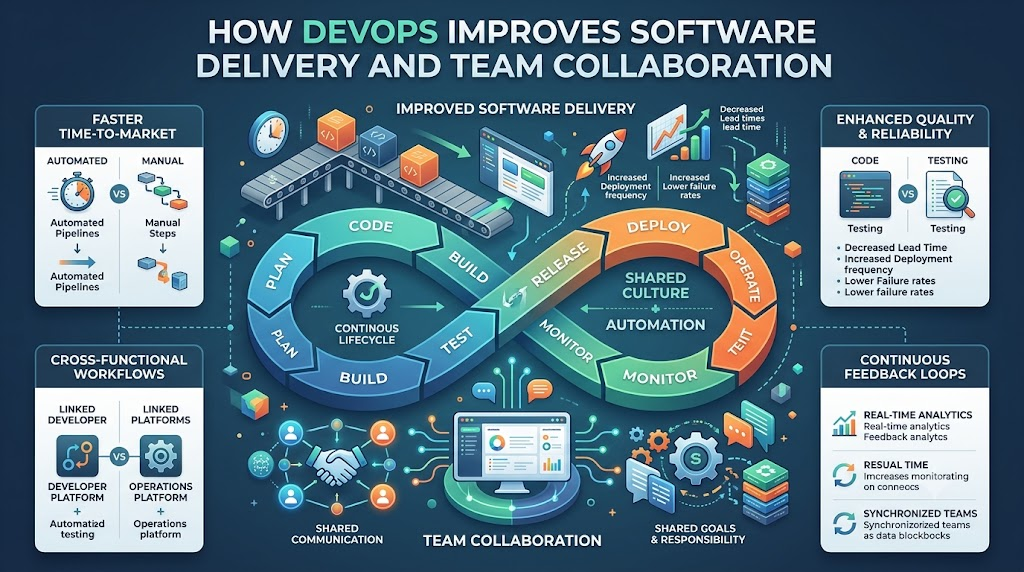
Big companies need fast, safe software to keep their customers happy. Teams must build apps quickly and fix bugs right away. You can learn these practical tech skills by joining DevOpsSchool. This training helps tech workers test tools on real computers.
Software builders and computer helpers used to work in different rooms. They rarely talked, so work slowed down a lot. Now, smart companies teach both groups to work as one team. This teamwork speeds up daily work for everyone.
Employees learn to fix problems on their own. They do not just read heavy books or listen to talks. Instead, they click buttons, run commands, and build systems. Hands-on practice makes hard technical ideas easy to understand.
What Is DevOps in Simple Words?
DevOps means developers and operations teams work together like best friends. Developers write the computer code, while operations keep the machines running. When these two teams unite, software runs smoothly without crashes.
Think of building a toy car with your friend. One person builds the wheels, while the other builds the track. If you test the car together, it runs much faster. DevOps does the exact same thing for computer programs.
+-------------------------------------------------------------+
|                     The Fast Team Loop                      |
+-------------------------------------------------------------+
|   Write Code  -->  Test It Fast  -->  Send to Customers     |
|       ^                                     |               |
|       +---------- Fix Problems <------------+               |
+-------------------------------------------------------------+
Why Books Alone Do Not Help
Reading about tools does not make you an expert builder. You must touch the computer keys and see things work. When code breaks, you must find out why.
Practice teaches workers how to fix broken apps fast. It gives them the courage to try new ideas. Because of this, companies save time and money on big projects.
Key Operational Concepts You Must Know
Tech workers must learn core ideas to run large software setups. These ideas help machines run apps without human errors.
+-------------------------------------------------------------+
|                   Important Tech Concepts                   |
+-------------------------------------------------------------+
|  1. Version Control   -->  A giant undo button for code     |
|  2. Fast Pipelines    -->  A robot conveyor belt for apps   |
|  3. Cloud Boxes       -->  Clean software lunchboxes        |
|  4. System Watchers   -->  Health monitors for computers    |
+-------------------------------------------------------------+
Keeping Track of Code Changes
First, teams use code repositories. This tool acts like a giant undo button for your work. It saves every change a developer makes to a program.
If someone makes a mistake, the team can go back in time. They tap a button to bring back the good code. So, nobody loses their hard work during an accident.
Automatic Assembly Lines for Software
Next, teams build automated delivery pipelines. Think of this tool like a smart conveyor belt in a factory. The robot belt grabs new code and checks it for bugs.
If the robot finds an error, it stops right away. It tells the human builder to fix the mistake immediately. So, bad code never reaches the real customer.
Small Boxes for Computer Apps
Also, workers pack apps inside software containers. A container is like a neat lunchbox for code. It holds the app and everything it needs to run.
Because of this, the app works on any computer without trouble. It runs the same way on a laptop and a big server. This saves engineers hours of annoying setup work.
Platform Implementation vs. Culture — What’s the Real Difference?
Buying fancy computer tools does not solve every problem. Teams must also change the way they speak and share work.
Feature
Using New Tools (Platform)
Changing How People Act (Culture)
Main Goal
Set up robots and cloud machines
Help people talk and share ideas
Daily Tasks
Write scripts and install software
Share duties and help teammates
Big Win
Fast computer servers that scale
Friendly teams that do not blame others
Mistake Reaction
Machines restart broken apps fast
People learn why things broke safely
Why Good Team Habits Matter Most
A team can buy the best cloud tools in the world. But nothing works if team members hide their mistakes from each other. Good culture means people feel safe when things go wrong.
They talk openly about bugs and fix them together. Nobody gets angry or points fingers at others. As a result, the whole team learns faster every day.
Real-World Use Cases of Modern Operations
Many famous companies rely on these smart engineering habits every single day. Let us look at how they help real businesses win.
+-------------------------------------------------------------+
|                      Real Company Wins                      |
+-------------------------------------------------------------+
|  Banks          -->  Stop thieves and check money fast      |
|  Online Stores  -->  Stay open during huge holiday sales    |
|  Movie Apps     -->  Play videos without any buffering      |
+-------------------------------------------------------------+
Big Banks Protecting Money
Banks must keep your money safe from bad actors. They also need to update their mobile apps every week. So, their software robots check every line of code for safety.
These safety checks run in just a few minutes. If the code is safe, the bank sends it out. Customers get cool new banking features without any security risks.
Online Stores During Holiday Sales
Online stores see millions of shoppers during big holiday sales. If their website crashes, people cannot buy gifts. So, their systems add more servers automatically when shoppers arrive.
When the sale ends, the systems turn extra servers off. This clever trick keeps the website super fast at all times. Also, the store saves lots of money on electric bills.
Video Streaming for Millions of Fans
Streaming apps send movies to phones and TV screens worldwide. Their system watchers check internet speeds every second of the day.
If one internet path gets slow, the system moves the video. It finds a fresh path in less than a second. So, your cartoon never pauses or gets blurry.
Common Mistakes in Operations Engineering
Even smart teams make silly mistakes when learning these tools. Watch out for these traps so you can avoid them.
Buying Tools Without a Plan: Do not buy apps just because they look cool online.
Skipping Practice on Real Labs: People forget what they read if they never type the commands.
Blaming People for Bad Code: Yelling at workers makes them hide problems from the group.
Forgetting About Safety Checks: Always check for bugs early before sending code to users.
Doing Steps by Hand: If you must do a task twice, write a script for it.
How to Become an Operations Expert — Career Roadmap
You can become an expert by learning one simple skill at a time. Follow this step-by-step ladder to grow your tech skills.
+-------------------------------------------------------------+
|                     Your Learning Ladder                    |
+-------------------------------------------------------------+
|  Step 5: Master Monitoring  -->  Watch systems like a hawk  |
|  Step 4: Use Cloud Tools    -->  Build servers with code    |
|  Step 3: Pack Containers    -->  Box up apps with Docker    |
|  Step 2: Build Pipelines    -->  Make robot test belts      |
|  Step 1: Learn the Basics   -->  Type commands in Linux     |
+-------------------------------------------------------------+
Step 1: Learn Basic Commands
Start by learning how to talk to computers using text commands. You will type short words to create files and open folders. This basic skill builds the foundation for all future work.
Step 2: Build Delivery Pipelines
Next, teach robots to test code automatically for you. You will write small files that tell the robot what to check. This saves you from checking code by hand every morning.
Step 3: Package Apps in Boxes
After that, learn how to put apps into tidy software containers. This step makes your apps run on any machine in the world. It stops weird errors from bothering your team.
Step 4: Run Cloud Machines
Then, practice building virtual servers with simple code files. You can build fifty cloud computers by running just one command. This makes growing your business very easy.
Step 5: Watch Systems Like a Hawk
Finally, learn how to set up bright dashboard screens. These screens show you if your servers are happy, sad, or tired. You will fix slowdowns before customers even spot them.
FAQ Section
Can a beginner learn these operational tech skills?Yes, anyone can learn these tools with simple practice on real computers. You just need to follow guides step by step.
Do I need to be a math genius to do this work?No, you do not need advanced math to build these pipelines. You only need to think clearly and enjoy solving puzzles.
Why is hands-on training better than watching videos?Videos only show you when things work out perfectly for the teacher. Real labs let you make mistakes and fix them yourself.
How long does it take to learn these tools?Most people build solid skills in about six months of steady practice. Practicing every day helps you learn much faster.
Do companies pay well for these skills?Yes, companies pay high salaries to engineers who know these modern tools. These workers help companies save time and build better software.
Final Summary
Modern companies need smart ways to build and ship software fast. When teams work together, they stop arguing and start building great things. Hands-on labs give workers the real practice they need to win.
Also, using automation takes away boring, repetitive daily tasks. People can focus on making fun, helpful apps for their users. Start practicing with real tools today to lead the tech world tomorrow.
Tap a tablet screen and watch magic unfold right in front of you. Music streams instantly to your tiny earphones. Bright games load fresh, sunny worlds without a single pause.
Lots of quiet machinery hums deep in the background to bring you that joy. People write code on laptops to build those games. Other workers flip switches on tall server racks. Another group counts points and saves high scores.
Years ago, these workers sat in dark cubicles and never spoke a word. When a game crashed, they pointed fingers and argued angrily. Now, smart crews work as one united family to make software work like a charm.
What is XOps in Plain Words
Curious folks always pause to ask, What is XOps? Let us explain this idea using tiny words. The letter X stands for any computer job inside a company. The short word Ops means keeping machines running well.
So, this idea pulls every worker into one circle. Programmers chat with server helpers. Robot trainers join hands with data keepers. Everyone shares ideas, files, and tools.
Think of an orchestra playing a sweet song. The violin plays high notes, the drum keeps the beat, and the flute adds color. When they play together, they make beautiful music for the whole crowd.
Getting Ahead with Step-by-Step Lessons
Building big apps takes practice, just like baking a cake. If you open a helpful XOps Tutorial, you learn the craft step by step. You find out how to move code safely to the cloud.
Next, you set up smart check tools to test your work. These helper bots scan your code while you type. They catch mistakes early so your friends never see a glitch.
Taking a full XOps Course leads you even further. You learn how to run websites that welcome millions of visitors. You also learn how to build apps that never fall over when crowds rush in.
Meeting the Four Main Specialists
Four special helpers make this teamwork click every single day. Each person uses a neat talent to guide the team forward:
The App Launcher: Bridges coders and cloud hosts to ship software fast.
The Fact Washer: Cleans messy piles of numbers so managers make great choices.
The Robot Guide: Coaches smart computer brains to spot faces, voices, and pictures.
The Night Watchman: Employs clever AI scouts to spot broken wires before machines freeze.
How the Four Roles Compare
Specialist Name
Main Duty
Everyday Chore
The Big Prize
DevOps
Ship software
Build test bots
Speedy app releases
DataOps
Wash numbers
Filter messy lists
Spotless records
MLOps
Coach robot brains
Feed fresh facts to bots
Bright digital minds
AIOps
Watch servers
Catch sudden glitches
Zero server freezes
Shipping Code Fast with DevOps
Coders love to write fun software, but they need strong machines to run it. In the past, coders finished an app and dumped it on the server desk. The machines broke often, and workers yelled all day.
Taking active DevOps Training removes that wall once and for all. Programmers and cloud builders work side by side. They use clever tools like Kubernetes and Terraform to turn on hundreds of computers in seconds.
A busy shoe shop had trouble posting fresh sales. Their workers took two weeks to add one tiny button to their website. After adopting shared delivery pipelines, they pushed updates in eight minutes. Customers bought shoes faster, and the store cheered.
Coaching Smart Models with MLOps
Machine learning lets computers solve tricky puzzles on their own. Your phone uses it to spot your dog in a photo album. Even so, these clever brains need regular practice to stay sharp.
Through structured MLOps Training, engineers learn how to guide these digital minds. They feed clear pictures to the model, test its guesses, and ship it to phones. They also check the model weekly so it never forgets its tricks.
A team built a voice helper that kept mishearing children. The crew set up auto-checkers to feed fresh sound clips to the bot weekly. Thanks to that fix, the bot understood kids clearly. Smart systems need regular practice to stay helpful.
Washing Dirty Numbers with DataOps
Online stores collect giant piles of facts every single minute. They track what you buy, where you click, and what you search. But raw lists look like a pile of muddy shoes.
High-quality DataOps Training shows workers how to build clean data roads. Think of a bright water filter on your sink. Muddy water pours in, the filter traps the dirt, and sweet water fills your cup.
When records stay clean, managers make wise choices for their stores. But if dirty numbers slip through, owners order the wrong goods. Clean data pipelines keep teams safe from costly mistakes.
Guarding Web Health Around the Clock with AIOps
Global websites use thousands of computer boxes across the world. No human being can watch thousands of blinking screens all night. Eyes get tired, workers need lunch, and people must sleep.
Joining AIOps Training solves this tough puzzle using smart software bots. Clever AI scouts watch the machines every second. They spot tiny warning signs long before a computer blows a fuse.
Real studies show that smart helpers cut repair times by more than half. The bot fixes small errors on its own or calls an engineer for big trouble. Because of this helper, your favorite games stay online all weekend.
Exploring the Modern Tool Chest
Top mechanics never fix fast cars using only their bare fingers. They reach for shiny wrenches, jacks, and screwdrivers. Tech workers also pick up special digital tools to build modern software.
Learning popular XOps Tools makes your daily duties smooth and breezy. Some tools wrap your programs inside neat boxes. Other tools build giant cloud systems with just a few lines of text.
Here are four handy tools engineers use every day:
Docker: Wraps programs inside neat capsules so they run on any computer.
Kubernetes: Guides thousands of app capsules across the web safely.
Terraform: Creates giant cloud networks using short text files.
Prometheus: Listens to server pulses and rings a bell if trouble strikes.
Five Easy Steps to Level Up Your Team
Starting out in modern tech operations sounds huge at first glance. But you can start small and take one cheerful step at a time. Share this simple action plan with your group:
Meet Briefly: Talk with your teammates for five quick minutes every morning.
Save Files Together: Drop your project notes into one shared digital locker.
Run Auto-Checkers: Let helper bots scan your work for bugs before you share it.
Watch System Pulses: Turn on simple dashboards that glow green when machines run well.
Learn Together: Fix bugs side by side without blaming your friends.
Boosting Your Skills at XOpsSchool
Tech knowledge grows fast, so workers must practice often. Finding clean lessons in one friendly spot saves lots of time. That is why ambitious learners search for great XOps Training to grow their careers.
XOpsSchool.com provides crystal-clear lessons on automation, cloud engineering, and modern operations. Students discover how DevOps, DataOps, and AIOps snap together like building blocks. You build hands-on projects that mirror actual workplace challenges.
Finishing an XOps Certification lets you show off your practical talents to employers everywhere. This special badge proves you can ship apps, polish data, and keep servers safe. It gives you the confidence to chase great tech jobs.
Exciting Jobs in Modern Tech
Teaming up across operations creates plenty of neat jobs for people who love computers. Choose the path that matches your favorite interests:
Platform Builder: Crafts simple internal dashboards so other coders build apps faster.
Reliability Guard: Keeps massive websites alive even when millions of users log on at once.
Data Highway Engineer: Lays down smooth digital roads so numbers travel without crashing.
Cloud Safety Officer: Locks digital doors so sneaky intruders cannot steal private records.
Wisdom from an Expert Builder
Senior engineers always remind us that kindness and teamwork beat fancy code. Maya Lin, a lead system architect, shares this helpful rule: “Computers freeze when workers hide inside separate rooms. When we share our tools and cheer each other on, our software runs smoothly and our jobs feel fun.”
When coders and machine keepers look at the same dashboards, great things happen. They stop arguing about who created a bug. Instead, they fix the problem together and celebrate their win with high-fives.
Frequently Asked Questions
Which small step should a beginner take first? Begin by learning basic code and simple command lines. Next, practice placing small web apps into Docker containers. Once you feel comfortable, share your project files with others on Git.
Must a person master hard math to work here? No, you do not need advanced math to do this job well. You only need curiosity, steady logic, and patience. Solving system puzzles feels a lot like piecing together colorful jigsaw puzzles.
Why do modern server keepers invite AI to join their teams? AI acts like an energetic teammate who never takes a nap. It scans system logs instantly, catches tiny hiccups, and prevents server crashes before players notice any lag.
Should one person try to learn every single skill at once? Pick one area you love first, such as cloud machines or data pipelines. Once you master that craft, pick up bits of the other areas so you can chat easily with your friends.
Stepping Out into the Tech World
Clever teamwork makes our digital universe spin happily every day. When talented people join hands with smart automation, teams ship awesome apps faster than ever before.
You can clean numbers, coach robot minds, or guard cloud servers with pride. Pick up your tools, build neat things, and enjoy your exciting adventure in technology!
Software delivery used to feel like an endless game of telephone. One group wrote code, while another group tried to run it on servers.
Consequently, projects moved slowly, systems broke often, and teams blamed each other. If you want to learn these essential modern skills, DevOpsSchool provides hands-on training programs that guide engineers step by step.
Modern software engineering replaces that old wall of confusion with shared goals. As a result, teams release great apps faster and work together like a championship sports crew.
What Is DevOps in Everyday Words?
DevOps connects software development with IT operations. Development means creating features, writing code, and designing app interfaces. Operations means managing cloud networks, keeping servers running, and stopping platform crashes.
When both groups unite, work moves much faster. Programmers no longer throw unfinished code over a wall. Instead, both teams talk every single day and solve bugs early.
Furthermore, everyone shares ownership of the final product. Developers learn how their code behaves on real machines. Meanwhile, operations specialists help developers ship updates without breaking live systems.
+------------------------------------------------------------------+
|                     The Unified DevOps Flow                      |
+------------------------------------------------------------------+
|  Plan Features  -->  Write Clean Code  -->  Run Auto Tests       |
|        ^                                           |             |
|        |                                           v             |
|  Share Feedback  <--  Monitor Live Apps  <--  Ship Update        |
+------------------------------------------------------------------+
The Big Problems of Old-Fashioned Workflows
In traditional setups, teams worked inside isolated silos. Developers cared only about writing brand-new features quickly. Meanwhile, operations teams cared only about keeping servers steady and safe.
Because their goals clashed, tension grew constantly. Developers complained when operations delayed new releases. At the same time, operations complained when new code caused painful outages.
Slow release cycles: Companies waited months or years to launch single software updates.
Manual deployment mistakes: Workers typed complex commands by hand, causing accidental typos and broken services.
Finger-pointing games: When an app failed, workers blamed each other instead of solving problems.
Burnout and late-night calls: Engineers spent weekends fixing sudden production emergencies.
Key Operational Concepts You Must Know
Modern engineering teams use a few simple principles to keep their work smooth, predictable, and error-free.
Version Control and Branching
First, version control acts like a time machine for your project files. Every engineer saves changes to a central repository with clear update notes.
If an error appears, the team rolls back to a safe point instantly. Moreover, team members work on separate branches without overwriting each other’s work.
Continuous Integration and Automated Testing
Next, continuous integration tests code changes the moment an engineer saves them. Automated bots build the whole project and execute safety checks immediately.
When a bug pops up, the bot notifies the author right away. Because errors get caught within minutes, bad code never reaches live user screens.
Continuous Delivery and Fast Shipments
In addition, continuous delivery packages validated code into ready-to-run releases automatically. The pipeline tests each build across test environments that mimic live platforms.
Therefore, releasing new software becomes a routine, low-risk event. Teams can push updates to customers multiple times a day with complete confidence.
Platform Implementation vs. Culture — What’s the Real Difference?
Many organizations buy expensive automation tools and expect instant miracles. However, tools alone cannot repair broken workplace relationships.
Comparison Area
Platform Implementation (The Machinery)
Culture (The Team Spirit)
Main Focus
Cloud servers, script bots, and test tools
Empathy, open communication, and trust
Everyday Task
Building pipelines and tracking CPU metrics
Sharing lessons and helping teammates
Biggest Benefit
Eliminating repetitive, boring manual tasks
Creating a fearless, creative work room
Handling Outages
Alerts trigger automated recovery actions
Teams conduct blameless post-mortems
Building a Safe and Honest Team Culture
Automation platforms provide the engine, but human culture provides the driver. When leaders remove fear, engineers report defects early instead of hiding them.
Similarly, blameless post-mortems focus on fixing fragile systems rather than punishing individuals. This honest mindset builds strong trust across the entire technical team.
Real-World Use Cases of Modern Operations
Leading organizations depend on these unified practices to keep their critical systems online around the clock.
Online Banking Platforms
Banks process millions of sensitive financial transactions every single hour. Therefore, security checks run directly inside their automated delivery pipelines.
Every code update gets scanned for safety vulnerabilities before hitting production. As a result, customers enjoy safe mobile banking without service interruptions.
Video Streaming Services
Streaming platforms experience huge viewer spikes during major sporting events. Automated systems watch server memory and launch extra cloud capacity in seconds.
When the big game concludes, the platform shuts down unused machines automatically. Consequently, streaming companies save money while preventing embarrassing buffer screens.
Ride-Sharing and Map Navigation
Ride-sharing applications push route improvements and pricing updates continuously. By using gradual rollouts, engineers test updates on small groups of drivers first.
If navigation remains accurate, the system releases the update globally. This careful deployment prevents citywide driver confusion.
Common Mistakes in Operations Engineering
Even smart teams fall into common traps when trying to modernize their workflows.
Treating tools as a magic silver bullet: Buying top-tier software will not fix poor team communication.
Skipping automated tests: Rushing deployments without automated tests sends hidden defects straight to customers.
Ignoring telemetry and system logs: Deploying code without monitoring leaves engineers blind during live outages.
Creating a separate DevOps silo: Handing all automation duties to an isolated team recreates the same old bottlenecks.
Automating broken processes: Writing scripts for inefficient manual steps only speeds up bad habits.
How to Become an Operations Expert — Career Roadmap
You can master modern delivery practices by following a clear, step-by-step learning progression.
Start by learning how to use the Linux command line. Practice navigating file trees, changing permissions, and tracking your project history using Git.
2. Build Automated Pipelines
Next, configure automated build systems that compile code and run unit tests. Understanding basic automation helps you eliminate tedious manual deployment tasks.
3. Package Apps inside Containers
Learn how to wrap applications and their dependencies inside tidy container units. Containers ensure that software behaves the exact same way on your laptop and on cloud servers.
4. Manage Infrastructure as Code
Discover how to build cloud servers, storage disks, and firewalls by writing simple text files. Managing infrastructure like software code prevents configuration drift across enterprise teams.
5. Add Live Monitoring and Telemetry
Finally, connect your running applications to real-time metric dashboards and alert systems. Watching live system health helps you identify performance bottlenecks before users ever notice them.
FAQ Section
How does DevOps make software delivery faster?It replaces slow manual steps with automated pipelines that test, build, and deploy code updates within minutes.
Does adopting these practices require learning to code?Yes, engineers need basic scripting skills in languages like Python or Bash to automate daily server tasks.
How does team collaboration improve under this model?Shared goals, transparent communication, and blameless post-mortems eliminate finger-pointing between developers and operations staff.
Is continuous delivery safe for critical production systems?Yes, automated tests and gradual canary rollouts catch defects early, making updates much safer than giant, risky releases.
How can small teams start using these methods?Start small by storing all project files in Git and automating a single repetitive testing step.
Final Summary
DevOps bridges the divide between software creation and system stability. By combining automated delivery pipelines with an open, collaborative culture, technical teams deliver robust features with incredible speed.
Furthermore, replacing tedious manual tasks with smart automation frees engineers to focus on creative problem-solving. Embracing shared accountability and continuous learning will keep your team resilient, fast, and ready for any challenge.
Imagine two groups of kids working together to make a video game. One team writes the fun game story. The other team makes sure the game runs smoothly on your tablet.
In the past, these two teams sat in different rooms and rarely spoke. The story team threw their work over a fence to the computer team. As a result, games crashed, work stopped, and everyone felt mad.
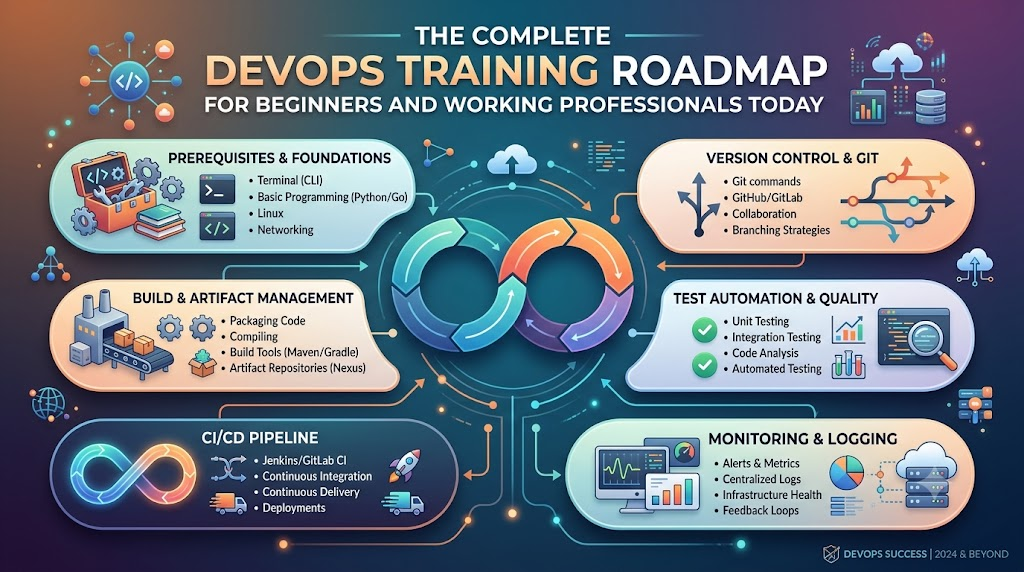
DevOps brings these two teams together so they work as one happy crew. If you want to learn these helpful skills step by step, you can start your journey with DevOpsSchool today. Their friendly classes teach beginners and working pros how to use smart computer tools to build great software together.
What Is DevOps in Simple Words?
DevOps combines two words: development and operations. Development means making new software, like drawing and coding an app. Operations means keeping that app alive and fast so people can use it every day.
When these groups join forces, magical things happen. First, they build software much faster. Next, they fix bugs quickly before players notice them.
Because both sides share the work, nobody blames each other when something breaks. Instead, they fix the problem together like a true sports team.
+------------------------------------------------------------------+
|                    The Friendly DevOps Loop                      |
+------------------------------------------------------------------+
|  Plan the Idea  -->  Write the Code  -->  Test the Build         |
|         ^                                      |                 |
|         |                                      v                 |
|  Learn and Improve  <--  Watch Systems  <--  Ship to Users       |
+------------------------------------------------------------------+
Why Beginners and Working Pros Need a Learning Map
Learning computer tools can feel like walking into a giant candy store with no guide. You might see hundreds of bright tools and wonder where to start.
Therefore, a clear roadmap keeps your learning easy and calm. Beginners learn the strong basics first so they do not get lost.
At the same time, working professionals can skip what they already know. They can jump right into fancy tools that make their daily work life easier.
Beginners build confidence: You learn simple steps one by one without feeling scared or lost.
Coders learn system safety: Programmers discover how to launch their code without breaking servers.
System helpers learn code tricks: Operations staff learn how to write simple scripts to do daily tasks automatically.
Teams deliver faster updates: Everyone understands the big picture so work flows smoothly.
The Main Parts of the Big Software Machine
Think of modern software delivery like a toy factory with a fast assembly line. Every toy must pass through several stations before children play with it.
First, the builders make the toy parts out of plastic blocks. Second, safety helpers check the toy to make sure no small parts fall off.
Finally, a delivery truck takes the toy to the store shelves safely. If any step fails, the whole assembly line stops right away so workers can fix it.
Important Factory Roles
Role Name
Everyday Example
Main Daily Job
Code Builder
The Toy Designer
Writes clean code for new app features.
Test Inspector
The Safety Checker
Runs automatic checks to catch mistakes early.
Release Helper
The Delivery Driver
Pushes good code to user screens safely.
System Guardian
The Watchful Guard
Monitors machines so apps never freeze or crash.
Key Operational Concepts You Must Know
To run healthy software systems, you must understand a few basic ideas. These ideas work like simple kitchen rules that keep cooking clean and safe.
Version Control and Safe Storage
First, you need a safe place to save all your project files. Version control tools work like an unlimited undo button for your homework.
If you make a silly mistake, you can jump back in time with one click. In addition, many team members can work on the same file without overwriting each other.
Furthermore, every change carries a short note explaining what the author fixed. This open history helps everyone understand how the software grew over time.
Continuous Integration and Testing Helpers
Next, robot helpers must test every single code update automatically. Whenever a coder finishes a feature, the robot builds the whole project.
Then, the robot runs hundreds of quick safety checks. If a test fails, the robot alerts the coder right away.
Because of this quick feedback, developers fix mistakes in minutes instead of weeks. This smooth routine keeps bad bugs away from real customers.
Container Boxes for Clean Packing
In the past, programs worked on a developer laptop but failed on big company servers. People wasted whole days asking why things broke.
Today, engineers wrap apps inside neat digital boxes called containers. Each container holds the code, the tools, and the settings inside one shell.
Therefore, the box runs the exact same way on any computer in the world. You pack the toy once, and it plays everywhere without surprises.
Platform Implementation vs. Culture — What’s the Real Difference?
Many companies buy expensive new tools and think their work is finished. However, tools cannot fix teams that refuse to talk to each other.
Feature
Platform Implementation (The Tools)
Culture (The Human Heart)
What It Is
Fast computers, cloud setups, and robot scripts
Trust, teamwork, and kind communication
Main Goal
Doing manual work through smart automation
Helping people share ideas without fear
Big Win
Faster releases and fewer typing mistakes
Happier workers who love solving problems
When Things Go Wrong
Shows a red alert on a monitor screen
Teams gather kindly to learn what happened
Why Good Culture Beats Fancy Tools
You can buy the fastest sports car in the world, but it helps nobody if the driver cannot steer. In the same way, automation tools fail when team members keep secrets from each other.
Therefore, strong teams practice blameless reviews whenever a server goes down. Nobody points fingers or yells at the person who made an error.
Instead, everyone sits down to ask how the system allowed that mistake to happen. Then, they build a better guardrail together so nobody falls into that trap again.
Real-World Use Cases of Modern Operations
Many popular apps that you use every single day rely on these smart methods to run smoothly.
Online Video Games with Huge Crowds
Popular multiplayer games welcome millions of players at the exact same hour. If too many players enter a room, servers might slow down or crash.
Smart monitoring systems notice the crowd right away. They order new cloud servers to wake up within seconds.
When the game ends and players go to bed, the system turns those extra servers off. This quick change saves lots of electricity and money.
Shopping Apps on Big Holiday Sales
Online stores see giant waves of visitors during special holiday gift sales. Shoppers get very upset if the checkout cart stops working during payment.
To prevent sadness, engineers use small deployment steps called canary releases. They show new checkout buttons to only one out of every hundred buyers first.
If those shoppers check out without any trouble, the team sends the update to everyone else. This careful test keeps the whole store safe from nasty surprises.
Hospitals and Doctor Records
Hospitals store important health files that doctors must read without any delays. If a computer goes down, a patient might not get their medicine on time.
Modern operations systems make extra backup copies across three different data centers. If a lightning storm hits one center, the other centers keep working instantly.
As a result, nurses and doctors always see patient files on their screens. Smart setups save real lives by keeping computers healthy and awake.
Common Mistakes in Operations Engineering
Beginners often make simple mistakes when they start their learning journey. You can skip lots of trouble by avoiding these common traps:
Trying to learn every tool at once: Focus on one simple tool first, like basic terminal commands, before touching big systems.
Skipping basic computer rules: Do not jump into cloud clouds before you understand how files and simple networks work.
Writing messy scripts with no notes: Always write clear notes inside your scripts so your teammates understand your steps.
Forgetting about security checks: Never leave passwords or secret keys inside your public project folders.
Working alone like a quiet island: Talk with your teammates every morning so nobody solves the same problem twice.
How to Become an Operations Expert — Career Roadmap
You do not need a fancy degree to become great at modern operations work. You just need to follow simple learning milestones one step at a time.
+--------------------------------------------------------------------+
|                      Step-by-Step Learning Path                    |
+--------------------------------------------------------------------+
|  Step 1: The Computer Base (Linux and Terminal Commands)          |
|  Step 2: Script Magic (Simple Python or Shell Code)                |
|  Step 3: Save Your Work (Git and Safe Repositories)                |
|  Step 4: Box Your Apps (Containers and Docker)                     |
|  Step 5: Cloud and Helpers (Cloud Servers and CI/CD Robots)        |
+--------------------------------------------------------------------+
1. Master the Linux Terminal
First, learn how to talk to a computer using only typed words instead of a mouse. Most servers around the world run on the Linux operating system.
Practice creating folders, moving files, and checking disk space with simple text commands. Once you feel comfortable typing in the terminal, you will feel like a computer wizard.
2. Learn a Helpful Scripting Language
Next, pick a friendly language like Python or Bash to write simple recipe instructions for your computer. You can write small scripts that clean up old files every midnight.
These tiny programs free you from doing boring manual tasks over and over again. As a result, you save time for fun, creative projects.
3. Track Changes with Version Control
Third, practice saving your project steps using distributed tracking tools. Learn how to create a branch, write clean updates, and combine your changes safely.
This skill lets you build projects with people from all across the globe. Everyone sees what you made, and nobody loses any hard work.
4. Package Apps inside Container Boxes
Fourth, learn how to place small web pages and services into clean digital containers. Write simple recipe files that explain how to build the container from scratch.
Once your app sits inside a container, you can run it anywhere without stress. This handy trick makes software testing super fast and fun.
5. Launch Cloud Servers with Code
Finally, discover how to build virtual computers in the cloud by writing simple instruction files. Instead of clicking buttons on a website, you write clear setup rules.
Then, you share those rules with your teammates so everyone has matching servers. Now you are ready to help companies build large, world-class platforms.
FAQ Section
Can I learn these operational skills if I have never written code before?Yes, you certainly can. Many great engineers start with simple terminal commands before they write their very first script.
How much time does it take to learn the core basics?Most learners gain strong, useful skills in about four to six months of regular daily practice.
Do I need a super expensive computer to start practicing?No, any regular laptop will work fine because most practice happens inside free cloud accounts and lightweight terminals.
What is the single most important skill for a beginner?Learning how to ask clear questions and work kindly with your team matters more than any single tool.
Why do companies pay good salaries for these skills?Companies want their websites to run smoothly without ever crashing, and these skills keep their digital businesses safe.
Final Summary
Modern software delivery works best when people join hands and use helpful automation tools together. Learning this friendly way of working helps you build apps that never crash and always stay fast.
Begin your adventure by mastering simple terminal commands and saving your work neatly. Next, practice packaging apps into clean containers and letting robot helpers test your daily updates.
Most importantly, stay curious and treat your teammates with kindness and patience. With regular practice and a clear map, you will grow into an amazing operations hero.
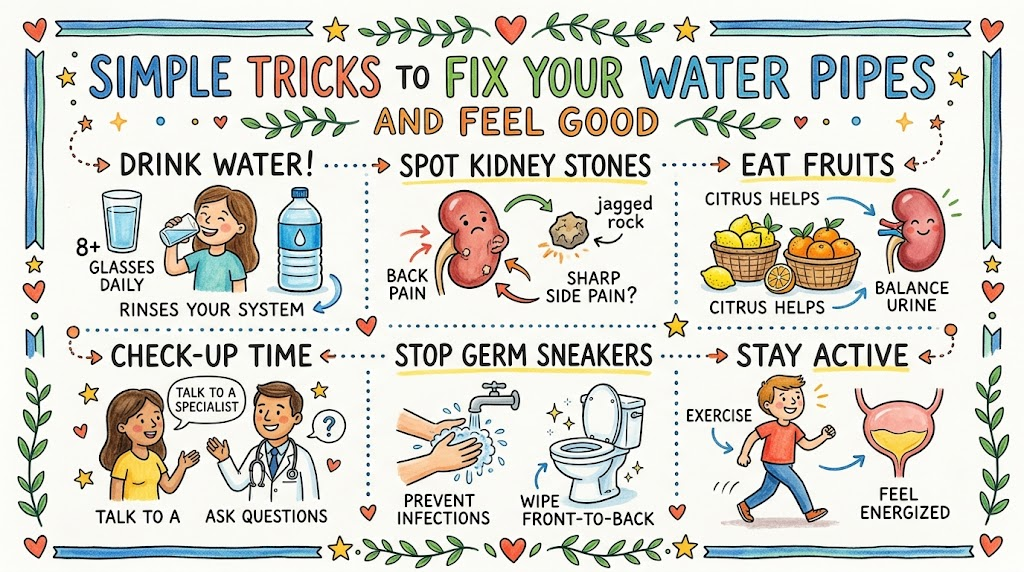
Inside your body runs a busy network of water tubes. Blood rushes through your kidneys, and these bean-shaped organs pull out waste every single second. After that, your stretchy bladder stores the yellow liquid until you walk to the restroom.
Trouble starts whenever junk jams the pathways. You might notice burning sensations, or a sudden sharp cramp might stop you in your tracks.
Top Urology Hospitals step up to fix these plumbing jams every single day. UrologyHospitals.com helps everyday people explore these tricky health problems using plain words. The site shows you where to find trusted medical experts close to home.
Why Urology Specialists Are True Body Plumbers
Think of your urinary tract as a house drainage system. Pipes can clog, storage tanks can leak, and valves can stick. Urology Specialists spend their entire careers mastering this internal plumbing network.
These doctors run smart tests to uncover why you hurt. They check your pee under powerful lenses to hunt down bacteria. They also send harmless sound waves bouncing through your belly to snap clear internal pictures.
Kidney Helpers: They wash out stuck dirt and keep your natural filters working smoothly.
Bladder Experts: They train jumpy bladders to hold liquid without leaks or sudden urges.
Tube Fixers: They open up pinched paths so pee flows freely into the bowl again.
Smashing Rocks Fast with Kidney Stone Treatment
Skipping water on hot days creates serious problems inside your kidneys. Tiny salt bits latch onto mineral flakes and build hard, jagged pebbles. Once a pebble tumbles down the narrow drainage tube, it scratches the wall like a thorny branch.
Doctors jump into action with clever Kidney Stone Treatment to stop that awful belly ache. Consider a truck driver named Dave who felt sudden, stabbing cramps in his back. His doctor used modern sound waves to pulverize the rock into tiny grains of dust.
Sound Wave Blasting: Machines send invisible shock pulses straight through your skin to shatter the stone into soft powder.
Basket Grabbing: Doctors slide a super-thin wire through natural paths to snatch the stone without any cuts.
Water Flushes: You drink tall glasses of water to push the tiny leftover sand bits into the toilet.
Stopping the Fire with Urinary Tract Infection Treatment
Tiny microscopic bugs sometimes crawl into your bladder and start multiplying like crazy. Suddenly, every single bathroom visit burns like a hot pepper. You race to the toilet every five minutes, yet only a tiny drop comes out.
Targeted Urinary Tract Infection Treatment clears out those mean bugs in record time. A nurse collects a small cup of pee and checks it for germs.
The doctor gives you germ-killing tablets to clear the infection fast. You keep drinking plenty of fresh water to flush the dead bacteria down the drain. Most kids and adults feel completely fine again within forty-eight hours.
Opening Pinched Pipes with Enlarged Prostate Treatment
Men have a tiny gland called the prostate tucked right underneath the bladder. As dads and grandpas grow older, this gland swells up like a rising dough ball. It clamps down on the drainage hose, just like someone stepping on a garden sprinkler hose.
Older men end up trickling slowly and waking up five times every single night. Swift Enlarged Prostate Treatment widens that squished tunnel so pee flows smoothly again.
Doctors hand out daily tablets that relax the tight muscles around the pipe. They can also use warm puffs of water vapor to shrink the swollen tissue. These simple fixes let tired men sleep right through the night without midnight wake-up calls.
Fighting Bad Cells with Prostate Cancer Treatment
Sometimes, rogue cells form an unwanted cluster inside the prostate. While the word cancer sounds terrifying, doctors know how to handle these quiet cells with great skill. Catching these sleepy bumps early allows most men to beat the problem completely.
Careful Prostate Cancer Treatment begins with open talks and simple blood tests. Doctors track a special blood score called PSA to decide whether to attack or simply watch.
Careful Monitoring: Doctors run regular checks while the bump stays quiet and harmless.
Magic Beams: High-tech machines shoot invisible rays to zap the bad spots without hurting nearby skin.
Surgical Removal: Skilled hands remove the sick gland completely to keep the rest of the body safe.
Cleaning the Tank with Bladder Cancer Treatment
Your bladder stretches like a thick rubber balloon to hold waste water. Bad cells occasionally grow on the inner lining like weeds sprouting in a playground lawn. You might spot red or rusty-colored pee in the bowl, even though nothing hurts.
Doctors tackle Bladder Cancer Treatment by slipping a miniature camera through the natural tube. They use this tiny scope to scrape away the weeds without making a single cut in your belly.
Sometimes, the care team pours special germ-fighting wash directly into the bladder pouch. This wash hunts down rogue cells hiding in tight corners. Regular follow-up visits ensure the bladder wall stays pink, clean, and strong.
Why Doctors Love Robotic Urology Surgery
Decades ago, operations required wide belly cuts, long hospital stays, and plenty of bandages. Today, surgeons sit at high-tech digital stations and control slender mechanical arms. The robotic hands slip through tiny pencil holes using 3D cameras and bright lights.
Families choose Robotic Urology Surgery because robotic wrists never shake or tire. They turn and bend around tight corners far better than human fingers ever could.
Pinhole Dots: Surgeons make tiny marks, so you only need small band-aids.
Gentle Healing: The tools slide past big muscles, preventing painful post-surgery swelling.
Fast Playground Trips: Most patients head back home to their own beds by the very next day.
Comparing Your Paths to the Right Urology Treatment
Every person brings a unique body puzzle to the clinic. One patient needs a fresh glass of water, while another needs high-tech tools. Doctors sit down and evaluate each choice side by side.
Treatment Type
Best Health Fix
Healing Timeline
Patient Experience
Pills & Liquids
Minor infections and baby stones
2 to 4 days
Relax on your couch and drink water
Sound Blasting
Medium-sized pebbles
1 to 2 days
Nap in a chair with zero cuts
Robotic Precision
Deep knots and swollen tissue
7 to 10 days
Wake up with small dots and heal fast
Picking your personalized Urology Treatment feels simple when you understand every route. UrologyHospitals.com shares clear checklists so you can talk to nurses with great confidence.
Locating the Perfect Urologist Near Me
Nobody enjoys riding in a bumpy car for hours when their belly aches. You deserve a tidy clinic, kind receptionists, and smart doctors right around the corner. You also need an expert team that listens carefully to your questions.
Searching for a Urologist Near Me on UrologyHospitals.com points you directly toward trusted neighborhood clinics. The platform organizes verified doctors so your family can make smart choices quickly.
Review Past Stories: Read what neighborhood families say about the clinic staff.
Inspect Clinic Tools: Choose offices that use gentle scopes and smart robot helpers.
Check the Front Desk: Make sure the hospital office welcomes your family insurance card.
Frequently Asked Questions
Which clear warning signs mean my pipes need an urgent checkup?
Visit a doctor if your pee turns pink, red, or cloudy. You must also seek quick help if sharp side cramps or fiery toilet pain appear.
Can a robotic surgery machine operate on people by itself?
No, a real human surgeon directs every movement from a nearby computer screen. The mechanical arm simply copies the doctor’s fingers with rock-steady precision.
Will drinking plenty of fresh water protect me from stone pain?
Yes, lots of clean water flushes away minerals before they clump into rocks. Carry a water bottle and sip fluids throughout the day to keep your pipes clear.
Protecting Your Health for the Long Run
Proper care keeps your internal water pipes running smoothly so you can play, run, and enjoy your days. Never ignore burning bathroom pain or hope that bad aches vanish on their own. UrologyHospitals.com gives you clear, reliable facts so you can walk into your next appointment with complete peace of mind. Partnering with skilled doctors helps you bounce back fast and live your best life.
Hop aboard a sunny journey into an open-air wonderland full of ancient kings, giant stone gates, and sweet mango trees. Friendly villagers greet travelers with warm waves along wide dirt roads. You hear temple bells ring across wide riverbanks while colorful parrots flutter through cool neem branches.
Schoolbooks often share only short snippets about ancient kingdoms and broken red bricks. Stepping onto this land lets you run your fingers over real fortress walls and taste hot street snacks in person. You watch farmers harvest golden wheat under bright blue skies on every open field.
Planning a family trip feels totally stress-free when you find clear, honest facts. For that reason, MeraApnaBihar.com shares practical road maps, colorful stories, and simple tips for eager explorers. Tie your shoelaces tight because we are stepping into an unforgettable adventure!
Savor the Famous Food of Bihar
Walking around historic towns builds a roaring appetite, and the Famous Food of Bihar satisfies every hungry tummy. Neighborhood cooks mix golden clarified butter, roasted chickpea flour, and fresh garden spices that fill entire streets with mouthwatering aromas. These classic home recipes give growing boys and girls tons of healthy energy without any artificial fast food.
Popular Dish
Main Ingredients
Taste and Texture
Best Time to Eat
Litti Chokha
Wheat flour, spiced sattu, roasted eggplant
Smoky, crunchy outside with a spicy filling
Hearty family lunch
Silao Khaja
Thin dough layers, clear sugar syrup
Flaky, crispy, and sweet
Afternoon treat
Gaya Tilkut
Crushed sesame seeds, melted jaggery
Nutty, crunchy, and gently sweet
Chilly winter mornings
Sattu Sharbat
Roasted chickpea flour, water, lemon
Salty, tangy, and super refreshing
Scorching hot afternoons
Makhana Kheer
Popped lotus seeds, milk, cardamom
Creamy, soft, and soothingly sweet
Festive family dinners
Litti Chokha wins first place among all regional dishes. Street cooks roast whole-wheat dough balls packed with spicy chickpea flour over glowing charcoal coals. They crack each hot ball open, bathe it in warm melted ghee, and serve it with fire-roasted eggplant mash and boiled potatoes.
Step Inside Living History With Bihar Culture and Heritage
Centuries ago, wise teachers opened giant courtyards where thousands of eager students studied medicine, stars, and math. Ancient leaders carved timeless messages about peace, truth, and helping neighbors. The deep roots of Bihar Culture and Heritage teach everyone to treat all living creatures with genuine respect.
Mothers and daughters sit on breezy verandas to paint bright peacocks, smiling suns, and dancing fish on clay walls. They dip slender bamboo sticks into homemade leaf dyes to create world-famous Madhubani paintings. Walking through these artistic villages feels like visiting a sunny outdoor museum made with pure love.
World Learning Centers: Walk through ancient study gardens where international scholars lived, shared meals, and debated big ideas together.
Handmade Village Crafts: Collect clay dolls, woven grass baskets, and painted wooden carts from traditional craft markets.
Folk Songs and Dance: Listen to village elders sing upbeat harvest songs that praise seasonal rains and golden crops.
Ancient Rock Carvings: Spot tall polished stone pillars where Emperor Ashoka wrote rules about fairness, honesty, and kindness.
Celebrate the Radiant Festivals of Bihar
The dazzling Festivals of Bihar turn dusty neighborhood roads into bright carnivals filled with cheerful songs, paper lanterns, and sweet treats. Relatives, classmates, and kind neighbors sweep public lanes together, hang fresh mango leaves on front doors, and share warm hugs. These community events show children how teamwork and gratitude make every town safer and happier.
Chhath Puja stands out as the most grand and sacred celebration of the whole year. Mothers, grandmothers, and fathers stand waist-deep in cool river waters at sunrise and sunset to thank the golden sun. They place fresh sugarcane stalks, sweet lemons, and crunchy thekua treats on clean bamboo platters, offering them straight to nature without any priest.
Unbelievable Adventures in Bihar Tourism
Choosing Bihar Tourism turns a normal school break into an exciting real-life safari. Cool mountain breezes tickle your cheeks when you hike up rocky trails, and calm rivers sparkle like glass under the midday sun. You can spot playful river dolphins leaping above gentle waves or climb tall lookout towers inside deep jungle reserves.
Families love riding the open aerial chairlift up green hilltops to view gleaming white stupas rising above the trees. Cheerful boatmen paddle wooden skiffs across wide river bends while narrating old legends about hidden temple treasures. Every fresh district gives your family a brand-new reason to snap memorable photos and write fun journal entries.
Exciting Activity
Location
What Makes It Awesome for Kids
Forest Jeep Safari
Valmiki National Park
Spotting wild deer, playful monkeys, and peacocks
Ropeway Hill Ride
Rajgir Hills
Gliding high in the sky over lush treetops
River Boat Cruise
Patna Ghats
Watching friendly freshwater dolphins jump from clean water
Ancient Maze Walk
Nalanda Ruins
Darting between giant red brick monastery corridors
Cave Exploration
Barabar Hills
Shouting out loud to hear booming echoes bounce off smooth stone
Incredible Bihar Tourist Places You Must Experience
Curious young minds find amazing treasures scattered across dozens of celebrated Bihar Tourist Places. You can sit quietly under the sprawling branches of the Bodhi Tree where Prince Siddhartha found inner wisdom and became the Buddha. You can also touch sturdy brick walls that stood tall through centuries of heavy monsoon rains.
These scenic spots offer wide walking paths, fragrant flower gardens, and shaded grassy lawns for family picnics. Friendly shopkeepers sell handmade wooden spinning tops and clay flutes that keep kids giggling all afternoon. Every town proves that ancient craftsmen built magnificent structures using only clay, river water, and raw stone.
Bodh Gaya: Explore the peaceful courtyards of the Mahabodhi Temple and gaze up at the giant stone Buddha statue.
Rajgir: Dip your feet into soothing natural hot water springs and hike along giant stone boundary walls.
Nalanda: Discover how ancient masons placed millions of terracotta bricks to raise three-story student dormitories.
Sasaram: View an enormous red sandstone tomb that floats peacefully inside an artificial lake.
Pick the Best Places to Visit in Bihar
Selecting wonderful Places to Visit in Bihar depends entirely on the activities your family enjoys most. If you love inspecting shiny ancient coins, warrior shields, and sculpted stone lions, city museums provide hours of discovery. If you enjoy green orchards and sweet breezes, rural walking routes offer peaceful paths away from noisy traffic.
History Seekers: Wander across the open grounds of Vaishali, where ordinary villagers created the world’s very first democratic council.
Spiritual Travelers: Walk through Gaya to participate in time-honored prayer rituals and admire carved temple courtyards.
Eco Explorers: Trek along the shaded forest trails of Valmiki Tiger Reserve to spot colorful jungle birds and animal tracks.
City Lovers: Spend busy mornings exploring the interactive history galleries inside the sprawling Bihar Museum in Patna.
Helpful Hints From a Trusted Bihar Travel Guide
A well-crafted Bihar Travel Guide helps parents organize on-time train tickets, clean hotel rooms, and safe road trips. Setting up your schedule early means nobody stresses over crowded train stations or empty water bottles during long afternoons. Smart preparation guarantees you spend more hours biting into hot snacks and climbing ancient stone stairs together.
Use this easy plan to pack your bags and prepare:
Pick the Right Season: Plan your family holiday between early autumn and spring to enjoy cool, bright weather.
Carry Light Bags: Pack airy cotton clothes, sun caps, refilled water flasks, and sturdy walking shoes for bumpy dirt trails.
Map Your Route: Check travel distances on MeraApnaBihar.com to reach your evening hotel well before dark.
Hire Registered Guides: Pick badge-wearing local narrators who explain castle secrets using easy, fun words.
Keep a Travel Diary: Scribble three exciting facts you discovered before switching off your bedroom lamp each night.
Top Things to Do in Bihar for Active Explorers
Write down a list of awesome Things to Do in Bihar before your family steps out of the house. You can scale ancient mountain fortresses, nibble on roasted street snacks at lively markets, and collect handmade clay souvenirs. Every bend in the road gives curious youngsters an opportunity to discover new hobbies and practice using a camera.
Take the classic open chairlift up Ratnagiri Peak to admire the tall, gleaming Vishwa Shanti Stupa.
Duck inside the Barabar granite caves and holler your favorite song to hear crisp echoes ring out.
Munch on hot, crispy khaja pastries right next to bubbling sugar pans in the bustling stalls of Silao.
Watch talented village potters spin mounds of wet clay into smooth water jars on heavy stone wheels.
Stay Informed With Bihar News and Updates
Reading verified Bihar News and Updates assists families as they plan road trips, monitor seasonal rainstorms, and track local cultural fairs. Timely bulletins tell parents about upgraded express trains, brand-new sports grounds, and changes in regional school calendars.
Platforms like MeraApnaBihar.com publish honest local updates using clear sentences that even a fifth-grade student can read effortlessly. Young readers can easily track district painting contests, science exhibitions, and neighborhood environmental clean-up drives. Keeping up with regional happenings helps kids grow into smart, responsible citizens who care about their community.
Discover Rewarding Bihar Government Jobs
Older siblings, cousins, and village neighbors spend long hours studying to secure respected Bihar Government Jobs. They fill local study halls and open park benches from sunrise to sunset, solving tricky math problems and memorizing historical timelines. They pursue these public careers because serving rural families brings tremendous pride, stability, and happiness to their homes.
Cracking competitive exams run by groups like the BPSC empowers dedicated workers to build clean village hospitals, modern schools, and irrigation canals. A sincere civil officer brings clean tap water, smooth roads, and steady electrical lines to forgotten farming villages. Trustworthy news portals provide correct test notifications and clear syllabus blueprints so hardworking candidates stay motivated and succeed.
Frequently Asked Questions
Which historic destination works best for young children on a short school break?
Rajgir delivers the best family experience because children can ride the high chairlift, stroll through lush flower parks, and explore old stone forts over one relaxed weekend.
Can young travelers digest traditional sattu drinks easily during summer days?
Yes, sattu contains pure roasted chickpea powder, which cools the stomach, builds muscle strength, and digests very gently.
Does MeraApnaBihar.com explain entry ticket prices for famous state monuments?
MeraApnaBihar.com lists practical ticket prices, gate timings, nearby hotels, and easy driving routes for every major destination.
Why do painters use natural twigs instead of modern nylon brushes for Madhubani art?
Artists prefer slender bamboo twigs and matchsticks because they create fine, crisp line drawings that honor ancient village painting traditions.
What special ingredients make Chhath Puja thekua taste so sweet and crunchy?
Bakers mix whole wheat flour, dark melted jaggery, pure ghee, and crushed green cardamom before pressing the dough into carved wooden molds.
Parting Thoughts for Young Explorers
Traveling across this historic river valley proves that real greatness begins with brave thoughts, honest work, and caring hearts. Gazing at ancient brick towers and tasting warm street snacks connects us to the incredible builders who lived centuries before our time. When we protect these quiet riverfronts and share clean history with friends, we keep our amazing heritage alive for future generations.
Gather your sneakers, invite your favorite cousins, and plan your own exciting trip across these golden fields. Tell your classmates the fascinating tales you discovered, and remind everyone that unforgettable adventures await right around the river bend!
Uncovering the hidden gems of Awadh brings an exciting blend of royal heritage and modern creative energy to life. Countless residents, ambitious students, and visiting travelers actively seek engaging weekend outings across diverse urban neighborhoods daily. Unfortunately, hunting through cluttered social media feeds, scattered chat groups, and broken links wastes valuable relaxation time.
Therefore, relying on a unified local entertainment guide completely transforms how you plan your precious downtime. You gain instant access to artistic showcases, professional networking circles, and creative evening masterclasses without endless scrolling. This practical handbook outlines effective strategies for curating an inspiring social calendar while experiencing the city to its fullest.
Why Lucknow Has So Much to Offer
Awadh preserves a profound cultural legacy while warmly embracing contemporary performing arts and modern entertainment formats. Bustling commercial districts like Hazratganj and Gomti Nagar consistently host lively public gatherings that showcase exceptional local talent. Consequently, residents constantly discover fresh opportunities to enjoy poetic recitals, grand theatrical plays, and energetic live music.
Furthermore, civic organizations and local patrons invest heavily in modern auditoriums, open-air amphitheatres, and multi-purpose spaces. Recent urban cultural surveys indicate that roughly seventy percent of young adults participate in at least one public event monthly. This steady community demand motivates independent creators and prominent artists to curate engaging public experiences week after week.
How to Find Events in Lucknow That Match Your Interests
Identifying suitable outings requires aligning your schedule with the exact atmosphere you wish to experience. Instead of attending random programs that might disappoint you, deliberately tailor your social calendar around clear personal objectives.
You can streamline your decision-making process by implementing our four-part V.I.B.E. Selection System:
Value: Determine whether you seek professional career growth, wholesome family fun, pure comedy laughs, or acoustic relaxation.
Interval: Calculate total commute hours across evening road traffic to reach the venue without undue stress.
Batch Size: Choose between an intimate thirty-seat acoustic lounge and a roaring multi-thousand attendee stadium festival.
Energy Drain: Match low-key weekday learning circles against high-tempo weekend music festivals to maintain mental freshness.
Checking Lucknow Events Today
Spontaneous plans regularly spark remarkable memories and introduce you to inspiring people throughout the city. If you suddenly decide to step out after a long workday, exploring Lucknow Events Today supplies immediate inspiration. You can quickly discover indie acoustic showcases, cozy spoken-word open mics, or tempting artisanal food pop-ups.
Moreover, real-time schedule tracking protects you against the frustration of arriving at sold-out halls or delayed programs. Industry data confirms that over forty percent of urban attendees finalize their entertainment outings on the very afternoon of the performance. Confirming daily listings before you leave work guarantees easy access to prime local spots.
Planning Ahead for Upcoming Events in Lucknow
While spontaneous trips provide thrilling surprises, premier annual festivals demand early calendar planning and timely ticket coordination. Monitoring Upcoming Events in Lucknow protects your monthly entertainment budget while locking in prime auditorium seats. Elite dance festivals, prominent literature summits, and celebrity music tours routinely exhaust their ticket inventories weeks ahead of showtime.
Additionally, booking early helps you organize schedules with your relatives, college friends, or workplace associates. Marking show dates on your personal smartphone calendar keeps you well ahead of final ticketing rushes. Reserving seats early also unlocks early-bird pricing tiers, leaving extra funds for delicious snacks and refreshing beverages.
Making the Most of Weekend Events in Lucknow
Free weekends offer the perfect opportunity to restore mental clarity and enjoy diverse Things to Do in Lucknow. Balancing social outings with personal rest requires selecting Weekend Events in Lucknow that truly rejuvenate your spirits. You can pair a busy Saturday afternoon exploring local handicraft markets with a quiet Sunday morning sketching workshop.
To help you organize your weekend schedule, review this targeted group comparison for optimal leisure planning:
Target Audience
Optimal Activity Focus
Leading Venue Locations
Key Lifestyle Advantage
Industry Professionals
Networking meetups, keynote panels
Premium hotel halls, shared office hubs
Valuable business partnerships
Undergraduate Students
Live rock bands, comedy open mics
College campuses, trendy cafes
Affordable, thrilling leisure
Household Families
Folk festivals, educational puppet plays
Public heritage parks, city auditoriums
Wholesome, safe bonding
Independent Solos
Hands-on art classes, heritage walking tours
Studio art galleries, historical old-city alleys
Peaceful mindfulness and reflection
Exploring Live Music Events in Lucknow
Rich musical heritage thrives across the historic quarters of Awadh, blending ancestral tradition with fresh sonic styles. Attending Live Music Events in Lucknow surrounds you with soothing sitar strains, soulful Sufi qawwalis, and lively indie pop beats. Intimate boutique cafes provide delightful acoustic corners where performers sing mere feet away from the listening audience.
Moreover, these acoustic performances cultivate personal bonds that cavernous stadium shows rarely deliver. Independent musicians openly share personal stories behind their song lyrics while interacting directly with appreciative listeners. Relaxing in a cozy cafe listening room melts away the strain of intense corporate shifts.
Discovering Concerts in Lucknow
Whenever you desire thumping basslines, dazzling light effects, and thousands of fans singing along, huge concerts deliver unmatched thrill. Celebrated playback vocalists, touring Bollywood musicians, and vibrant fusion bands regularly stage Concerts in Lucknow. Vast open-air fairgrounds easily hold thousands of cheering attendees enjoying explosive stage spectacles together.
Furthermore, these arena memories remain vivid in your conversations with friends for years afterward. Regional tour manager Priya Saxena notes: “Audiences here express genuine warmth and profound cultural taste, making national bands include the city on every major itinerary.” Securing entry wristbands and booking transit early ensures a flawless stadium outing.
Finding Comedy Shows in Lucknow
Laughter brings people together instantly, and the local comedic circuit continues to expand with extraordinary speed. Attending Comedy Shows in Lucknow treats you to relatable local satire, witty observations, and spontaneous crowd interactions. Both famous touring headliners and bold amateur comedians regularly step onto neighborhood stages to test fresh material.
In fact, enjoying sixty uninterrupted minutes of comedy releases stress-relieving endorphins and lifts your mood remarkably. Small comedy basements maintain an engaging environment where comics chat freely with attendees seated right near the front row. Securing tickets for an evening stand-up showcase wraps up any demanding week with pure delight.
Learning Through Workshops in Lucknow
Spending your leisure constructively creates double the satisfaction by combining joyful socializing with practical new talents. Attending hands-on Workshops in Lucknow invites you to master artisanal pottery, specialty coffee brewing, watercolor painting, or smartphone photography. Similarly, industry veterans host intensive weekend workshops on public speaking, corporate finance, and modern digital branding.
Consider the real experience of local software engineer Rahul Verma, who registered for an introductory pottery session:
“Daily office deadlines left me mentally exhausted until I registered for a Sunday morning ceramic pottery class. That three-hour creative workshop not only taught me an enjoyable craft, but it also connected me with great friends who now attend art events with me every weekend.”
Understanding Lucknow Event Tickets Before Booking
Acquiring admission tickets demands careful evaluation so you steer clear of annoying booking complications or entry disruptions. Before you purchase Lucknow Event Tickets, examine seating arrangements, venue age restrictions, and entry guidelines carefully. Checking whether an admission pass grants general lawn entry or reserved stage seating guarantees comfort throughout the event.
Furthermore, always review the organizer’s refund policies, transfer options, and entry deadline rules before submitting payments. Storing digital barcode tickets on your smartphone facilitates quick gate scanning during peak entry rushes. Avoid buying admission passes from unverified individuals on community forums to protect yourself from fake entry passes.
Choosing the Right Event Venue
An artistic performance shines only as brightly as the physical hall or open lawn that accommodates it. Lucknow boasts diverse event properties, encompassing historic heritage grounds, acoustically treated auditoriums, and charming community cafes. Selecting a program housed in a suitable location ensures clear sound reproduction, easy seating, and pure enjoyment.
Before you purchase admission passes, evaluate these essential facility criteria:
Sound Environment: Choose indoor auditoriums for delicate classical recitals and sprawling open fields for booming rock concerts.
Transit Accessibility: Confirm whether the property offers valet parking spaces or sits near modern metro stations.
Seasonal Comfort: Pick climate-controlled indoor halls during scorching summer afternoons and open gardens during pleasant autumn evenings.
Refreshment Rules: Check whether security allows outside snacks or provides hygienic on-site food and drink stations.
Events for Different Types of Audiences
Every city resident approaches leisure uniquely according to their budget size, lifestyle choices, and accompanying circle. Fortunately, the local cultural directory delivers fantastic choices for students, ambitious professionals, large families, and independent travelers. An undergraduate searching for budget-friendly university drama showcases finds equal satisfaction alongside parents seeking weekend amusement carnivals.
Therefore, selecting programs that match your company guarantees an enjoyable experience for everyone involved. Family-centric programs provide spacious pathways, clean restrooms, and secure seating, while college gatherings highlight loud music and dynamic lighting. Thinking about group needs beforehand turns every social outing into an absolute success.
How to Plan a Better Event Experience
Achieving a seamless evening outing requires sensible preparation well before the performers walk onto the stage. Reaching the venue forty-five minutes early eliminates frantic searches for vehicle parking and reduces long security lines. Wearing supportive footwear ensures you walk across expansive festival lawns without muscle fatigue or personal discomfort.
Additionally, plan your return commute and late-night dining options before the musicians play their final encore. Dense vehicle traffic frequently jams the main access avenues outside prominent venues right after a show ends. Reserving ride-hailing services early or carpooling with fellow attendees saves valuable time and keeps your spirits high.
Why a Local Event Platform Can Be Useful
Gathering outing details from scattered social feeds, paper flyers, and random website posts wastes both time and energy. A specialized local discovery directory assembles schedules, performers, addresses, and ticketing options into one dependable hub. Instead of chasing unconfirmed social posts, you effortlessly compare diverse weekend programs in seconds.
Moreover, specialized local portals appreciate the geographical layout and cultural nuances of our heritage city. They bridge the gap separating underground artists from passionate local audiences seeking fresh entertainment choices. Having accurate schedules organized cleanly allows you to enjoy the city with total confidence.
How Digital Directories Help People Discover Local Experiences
Modern curation portals act as easy-to-use digital resources that connect urban explorers directly to the artistic core of the city. The directory gathers live indie concerts, hilarious stand-up shows, hands-on craft masterclasses, and vibrant family festivals in one accessible destination. Arranging every outing by location, date, and genre completely removes ambiguity from your weekend planning routine.
Furthermore, portals supply accurate show timings, precise venue addresses, and protected digital ticketing options. You quickly spot charming neighborhood gatherings or plan ahead for major touring stage productions. They remain essential community companions for turning routine evenings into rewarding social adventures.
Tips for Event Organisers in Lucknow
Directing an extraordinary gathering requires targeted promotional strategies, smooth crowd flow, and transparent public communication. Event hosts must identify their target audience early and establish entry prices that reflect realistic local spending patterns. Picking show dates that steer clear of major sports finals or festival celebrations ensures healthy attendance numbers.
To execute a sold-out, smoothly managed gathering, implement this 4-Step Production System:
Secure Early Permits: Finalize civic venue permissions, fire safety approvals, and noise licenses four weeks before starting your marketing.
Promote Across Channels: Announce early passes through local event directories, targeted online campaigns, and community flyers.
Streamline Gate Entry: Implement high-speed digital barcode scanners at every checkpoint to stop annoying entrance jams.
Support Your Guests: Share precise parking maps, entry guidelines, and schedule updates through quick digital alerts.
Keep Exploring What Lucknow Has to Offer
Repeating the exact same shopping mall trip or restaurant dinner every weekend shrinks your horizons. Lucknow currently enjoys an exciting cultural revival, hosting diverse artistic exhibitions, experimental food festivals, and engaging educational discussions. Venturing beyond your familiar neighborhood spots exposes you to the evolving cultural identity of this majestic city.
Therefore, pledge to attend at least one unfamiliar event type each month, whether an indie open mic or a painting session. Supporting local performers strengthens community bonds and enriches your personal social life tremendously. Maintain your adventurous mindset, gather your closest friends, and immerse yourself in the thriving cultural scene around you.
Frequently Asked Questions About Local Event Directories
What core features do discovery directories supply to local residents?
Organized discovery platforms function as centralized directories where city residents easily locate live concerts, comedy sets, practical workshops, and community festivals.
Can users reserve admission passes directly through these platforms?
Yes, modern systems incorporate smooth, reliable online booking tools that let attendees choose preferred seating zones and buy passes in seconds.
Do event portals showcase unpaid community gatherings alongside premium shows?
Platforms display both free community celebrations and ticketed commercial performances to match every attendee budget.
How frequently do digital platforms update their entertainment directory?
Directories refresh listings daily to capture spontaneous pop-up events, new show dates, and immediate time adjustments across town.
Can local event hosts publish their productions on digital discovery sites?
Yes, creative organizers establish host accounts to publish, market, track, and sell digital tickets directly to local city audiences.
What types of creative workshops appear on these booking platforms?
Users discover varied classes covering hands-on ceramic crafts, specialty culinary skills, canvas painting, coding bootcamps, and business networking.
Does the directory feature events across all major city districts?
Tracking services cover events throughout prominent locations including Hazratganj, Gomti Nagar, Alambagh, Indira Nagar, and nearby growth corridors.
Do attendees need a registered account to view event schedules?
Anyone can freely inspect upcoming entertainment listings, but creating a personal profile simplifies ticket booking, retrieval, and attendee assistance.
How do buyers receive digital tickets following a purchase?
Confirmed entry tickets arrive instantly via electronic mail and text message, displaying unique scanning codes for rapid venue access.
Where can parents find family-friendly weekend options on these portals?
Portals feature dedicated search filters that help families instantly isolate interactive puppet plays, seasonal carnivals, and guided historical walks.
Final Thoughts
Awadh radiates a captivating spirit where centuries-old artistic grace thrives alongside modern community energy. Directing your free hours toward engaging public experiences builds unforgettable memories, sparks meaningful friendships, and connects you with your hometown. Instead of surrendering another weekend to routine digital screens, step outside to enjoy real talent live on stage. Explore active listings today, reserve a show that excites your imagination, and immerse yourself in the vibrant energy of the city.