Category: Uncategorized

  • Blueprint For Building Scalable Web Infrastructure And Driving Organic Visibility

    Introduction

    Launching a successful web portal requires a deliberate strategy that blends clean technical engineering, responsive design, and constant performance tracking. Too many business leaders rush their development, only to discover that users leave confusing navigation layouts and sluggish pages within seconds. Today, customer expectations demand fast load times across every handheld device, while next-generation search systems require structured data that algorithms can parse immediately.

    Consequently, you must design every technical layer with clarity and intent right from your opening project milestone. Visionary teams bring together clean code, modular software architecture, comprehensive security, and proactive marketing outreach. In this operational roadmap, you will uncover proven strategies to engineer, maintain, and expand an enterprise-ready digital platform that reliably captures high-value market share.

    What Is cmsGalaxy?

    Emerging companies often search for a technical collaborator who can turn complex product requirements into fast, revenue-driving web properties. Operating as an established Website Development Company in India, cmsGalaxy equips growing enterprises, digital startups, and business owners with resilient web platforms. The agency emphasizes Affordable Website Development, helping companies build scalable portals while eliminating unnecessary overhead costs.

    Furthermore, as a skilled CMS Development Company, the agency adapts popular platforms to support specific commercial workflows. Whether an organization chooses an adaptable WordPress Development Company, a transaction-focused Shopify Development Company, or a multifaceted Joomla Development Company, senior developers handle code customization, third-party integrations, data migrations, and day-to-day troubleshooting. Alongside core web engineering, the agency functions as a full-service SEO Services Company, executing comprehensive on-page audits, strategic Link Building Services, and verified Guest Post Services while safeguarding site health through proactive Website Maintenance Services.

    Why Professional Website Development Matters

    Careless development practices generate bloated code, buggy scripts, and visual shifts that ruin user trust. In contrast, experienced developers structure clean semantic tags, optimize database calls, and shrink media payloads. Thanks to this disciplined coding standard, pages render instantaneously across mobile screens, driving engagement and repeat visits.

    Additionally, algorithmic crawlers downgrade websites that deliver slow, unpredictable browsing experiences. Field metrics confirm that adding just one extra second of mobile latency slashes transaction rates by more than twenty percent. Professional engineering clears away render-blocking dependencies, complies with modern web accessibility guidelines, and keeps transactional flows running without interruption.

    Choosing the Right CMS for Your Business

    Your underlying content management framework determines your publishing speed, system vulnerability levels, and ongoing development costs. Before committing capital to a platform, review your operational workflow needs alongside your internal team’s technical skills. A content publication needs smooth editorial tools, whereas an online retailer relies entirely on secure checkouts and automated inventory syncing.

    Similarly, select an administrative console that allows non-technical team members to launch marketing assets without altering global style rules. Examine the software community that supports your prospective framework as well. Broad developer communities ensure timely security updates, extensive plugin repositories, and dependable technical documentation for the long term.

    WordPress, Shopify, and Joomla: Which One Fits?

    Content EngineCore Technical StrengthPrimary Use CaseCoding Modularity
    WordPressOpen-Source Extensibility & Plugin DepthService Providers, Media Hubs, B2B SitesHighest (Full Access to Source Code)
    ShopifyManaged Cloud Hosting & Built-In PaymentsD2C Brands, Omnichannel RetailersControlled (Liquid Template Constraints)
    JoomlaNative Role Hierarchies & Multilingual CoreIntranets, Community Portals, DirectoriesHigh (Native Access Control Systems)

    WordPress gives developers complete flexibility to create tailored user experiences through modular themes and flexible database hooks. For example, a commercial transportation company recently redesigned its customer hub using WordPress; the team shortened quotation response times by forty-two percent after implementing a customized booking form.

    Shopify streamlines commercial operations by taking care of cloud hosting, server security patches, and regulatory payment mandates right out of the box. Meanwhile, Joomla excels at granular user permission management natively, allowing administrators to configure layered access tiers without relying on heavy external plugins that could slow down your server.

    How Affordable Website Development Can Support Small Businesses

    Early-stage companies frequently assume that premium web infrastructure requires enormous capital expenditures. In truth, smart architectural choices deliver high-performing web platforms within accessible budgets. Seasoned developers use lean codebases, production-ready design frameworks, and open-source packages to cut development time significantly.

    At the same time, disciplined developers avoid scope creep by rolling out essential core features first. You launch high-impact lead channels, study authentic user behavior, and roll out secondary features over time. Through this incremental development methodology, emerging businesses protect working capital while establishing an authoritative web presence that competes against industry giants.

    Website Maintenance: What Happens After Launch?

    Deploying code to a production environment marks the beginning of your ongoing platform lifecycle rather than its conclusion. Over time, forgotten server dependencies, neglected plugins, and unindexed database records create critical security vulnerabilities. Consistent update cycles protect your software assets from automated vulnerability scanners and malicious bot attacks.

    “A commercial website behaves like an industrial turbine; if you skip routine servicing, accumulating mechanical friction will degrade your overall operational output.”

    Accordingly, detailed maintenance contracts coordinate automated remote backups, security scans, database index cleanups, and broken link fixes. These proactive safeguards protect revenue streams, enable rapid data restoration during unplanned server outages, and preserve hard-earned brand authority.

    Connecting Website Development With SEO

    Clean backend engineering forms the foundation of organic search discovery. Search bots leave pages quickly if bulky scripts hide text content or if broken canonical tags create duplicate URL loops. Therefore, you must establish clear directory paths, fast rendering speeds, and structured schema tags during your initial design phase.

    Modern discoverability requires mastering an intelligent search landscape that rewards advanced technical compliance:

    • Answer Engine Optimization (AEO): Present essential answers in clean question-and-answer blocks so algorithmic summaries can feature your insights directly.
    • Generative Engine Optimization (GEO): Produce data-dense, authoritative resources that generative search platforms reference inside conversational responses.
    • Large Language Model Optimization (LLMO): Share proprietary industry metrics, clear operational frameworks, and verified outcomes that language models index accurately.
    • AI Search Optimization (AISEO): Deliver lightweight semantic code without blocking scripts so automated platforms can parse every key concept easily.
    • E-E-A-T Framework: Highlight real-world industry background, verified creator credentials, author profiles, and transparent corporate policies across all published content.

    Link Building and Guest Posting: What Businesses Should Know

    High-value educational content rarely earns search visibility if your domain lacks foundational authority signals. Search algorithms assess brand trust by analyzing inbound link citations from respected, independent websites. Consequently, securing authentic editorial mentions from established niche destinations creates an undeniable ranking advantage.

    Even so, sustainable link acquisition demands authentic editorial relevance and manual outreach. Walk away from private link networks and automated submission services that invite severe search penalties. Instead, publish educational guest features, share proprietary research findings, and secure strategic thought-leadership mentions that attract interested prospects alongside algorithmic trust.

    Common Website Mistakes to Avoid

    • Overlooking Smartphone Users: Designing solely on desktop monitors produces awkward touch targets and illegible text on mobile screens.
    • Overloading Third-Party Scripts: Loading uncompressed graphic files, tracking pixels, and oversized code libraries damages page speed.
    • Hiding Transaction Pathways: Burying lead-generation forms and checkout buttons inside complex navigation menus drives potential customers away.
    • Skipping Search Hygiene: Overlooking robots.txt directives, XML sitemaps, and SSL configurations limits your organic crawl potential.

    A Practical Website Growth Checklist

    Building an authoritative online presence demands methodical execution through every phase of platform growth:

    1. Step 1: Discover and PlanDefine your primary target market, outline conversion pathways, select your CMS framework, and set up your performance tracking benchmarks.
    2. Step 2: Build and TestWrite clean, modular code, convert graphics into next-generation formats, verify accessibility standards, and test layouts across diverse mobile screen sizes.
    3. Step 3: Optimize for Next-Gen SearchAdd structured schema code, refine page titles, and structure helpful answers for conversational engines and generative search tools.
    4. Step 4: Protect and LaunchEstablish automated cloud backup schedules, turn on web application firewalls, and monitor server uptime around the clock.
    5. Step 5: Expand Domain AuthorityPitch authoritative guest articles to industry publications, release proprietary data studies, and track keyword visibility metrics consistently.

    Frequently Asked Questions About cmsGalaxy

    1. What technical capabilities does cmsGalaxy deliver for growing businesses?The agency engineers custom web portals, executes complicated platform migrations, manages routine server maintenance, fixes search crawl bottlenecks, and coordinates authority-building campaigns.
    2. Why should growing brands work with a dedicated CMS Development Company?Experienced platform engineers write clean code according to platform standards, keeping your site fast, scalable, and secure against digital attacks.
    3. How does cmsGalaxy make website development affordable for newer enterprises?By deploying proven open-source architectures, reusable design components, and agile workflows, the agency trims unnecessary programming hours while delivering enterprise-grade quality.
    4. Which platform serves e-commerce better, Shopify or WordPress?Shopify fits founders who want managed infrastructure and simple payment tools, whereas WordPress provides complete data ownership alongside unrestricted design customizability.
    5. Why do organizations need ongoing Website Maintenance Services after launching?Routine maintenance guards your digital assets against zero-day exploits, repairs dead links, optimizes database performance, and keeps page rendering speeds fast.
    6. What responsibilities does an SEO Services Company handle during initial development?Search specialists structure internal links, implement structured data schemas, eliminate crawler roadblocks, and refine page speed metrics to maximize organic visibility.
    7. How do Link Building Services improve organic search engine rankings?Securing verified editorial mentions from authoritative industry websites demonstrates to search engines that your company publishes credible, trustworthy information.
    8. Why do manual Guest Post Services outperform automated link tools?Manual guest posting introduces your business to real human audiences, delivers qualified referral visits, and generates natural backlink equity that endures search engine updates.
    9. Can cmsGalaxy migrate an established platform without losing existing search rankings?Experienced engineers protect your historical search performance by configuring 301 redirects, transferring database records accurately, and preventing server downtime.
    10. How do Answer Engine Optimization and Generative Optimization impact web presence?These modern strategies organize your site’s content so generative AI models and conversational search engines can cite your brand directly within their answers.

    Final Thoughts

    Establishing a high-converting digital presence demands ongoing discipline rather than a single software release. When you unite clean engineering standards, an adaptable content platform, and dedicated maintenance routines, you produce an asset that converts visitors into dedicated customers. Combining high technical standards with ethical authority outreach ensures your company earns prominent visibility across conventional search engines and emerging conversational platforms alike. Prioritize durable architecture, maintain authentic domain authority, and build your digital footprint on an infrastructure designed for lasting market leadership.

  • Accelerating Modern Analytics Delivery Through Automated Reliable Data Engineering Systems

    Introduction

    Software development organizations routinely release functional features several times per day, yet business intelligence teams still struggle to publish trustworthy weekly reports. Upstream application updates suddenly drop columns, unattended transformations fail mid-stream, and production dashboards display mismatched totals.

    Consequently, executive leaders lose confidence in key operational metrics. Adopting DataOps solves this systemic bottleneck by merging continuous integration, agile delivery, and rigorous automated validation into analytical workflows. Dedicated enablement hubs like DataOpsSchool train data practitioners to replace exhausting manual hotfixes with dependable, production-grade automation systems.

    What is DataOps?

    DataOps establishes an automated, process-driven framework that shortens analytics delivery cycles while ensuring strict data accuracy across technical organizations. This methodology combines agile software delivery principles, continuous deployment automation, and statistical quality assurance standards.

    Rather than treating data transformations as fragile standalone scripts, teams handle analytical logic like mission-critical software code. Engineers construct automated integration checks, track structural schema revisions inside Git, and quarantine corrupt records at the boundary. Ultimately, these rigorous engineering standards transform erratic data pipelines into dependable, self-healing platforms.

    Why DataOps Matters for Modern Data Teams

    Organizations accumulate vast volumes of diverse business metrics across multi-cloud environments. Without strict operational controls, complex ingestion scripts fail quietly without alerting operators. Recent industry studies indicate that engineers spend more than 40% of their weekly schedules diagnosing broken pipelines and fixing corrupted datasets.

    Consequently, decision-makers execute critical strategy changes based on outdated or incorrect business signals. Introducing disciplined operational practices removes this persistent operational drag. Furthermore, teams shorten delivery times from months to minutes, enabling leadership to pivot rapidly with absolute faith in their metrics.

    Core Components of a DataOps Environment

    An effective operational foundation connects local development branches, automated testing runners, and live telemetry into a unified delivery chain. Rather than testing SQL models directly inside staging environments, developers organize their daily workflows around four primary pillars.

    • Git-Backed Continuous Deployment: Developers maintain transformation logic in centralized code repositories, triggering automated pull-request validation builds before changes merge into production.
    • Proactive Ingestion Quality Checks: Automated assertions validate incoming rows against strict business constraints—such as non-null requirements and uniqueness—before transactions finalize.
    • Continuous Lineage & Pipeline Observability: Monitoring agents trace schema mutations, pipeline execution times, and volume fluctuations across every layer of the warehouse.
    • Ephemeral Testing Sandboxes: Engineers launch isolated, lightweight environments with synthetic data sets to test experimental models safely.

    Understanding DataOps Tools

    Selecting the right DataOps tools depends entirely on your architectural goals and current platform bottlenecks. Modern infrastructure stacks separate platform responsibilities into clear functional tiers.

    Functional LayerLeading Tools & TechnologiesPrimary Operational Objective
    Workflow OrchestrationApache Airflow, Dagster, PrefectSchedule task dependencies and manage computational runs.
    Transformation Frameworksdbt (data build tool), SQLMeshStructure modular transformation code with built-in tests.
    Telemetry & ObservabilityMonte Carlo, Datafold, ElementaryDetect data anomalies early and track end-to-end lineage.
    Assertion & Quality TestingGreat Expectations, Soda CoreEnforce structural schema rules and validate business logic.
    Infrastructure & CI/CDGitHub Actions, GitLab CI, TerraformAutomate testing environments and provision cloud resources.

    How DataOps Changes the Data Engineering Workflow

    Legacy engineering workflows depend on precarious manual verification. A developer updates an ingestion query directly within a production database, watching query monitors through a browser window. Whenever upstream providers alter payload structures unexpectedly, analytical dashboards break across the entire business.

    Conversely, a mature operational pipeline enforces continuous safety guardrails. An engineer writes transformations on an isolated branch, launches integration tests inside an ephemeral database, and requests peer reviews. Automated test runners catch subtle discrepancies instantly, stopping broken models long before they touch live business reports.

    DataOps Training: What Should You Learn?

    Structured DataOps training combines software engineering discipline with modern analytical architecture. Beginners often make the mistake of studying only orchestration engines, completely skipping foundational deployment methodologies.

    First, master version control strategies designed specifically for shared data warehouses, including semantic modeling branches. Next, learn how to build automated pipelines that launch temporary warehouses during pull-request checks. Finally, develop deep skills in real-time observability, automated schema validation, and targeted incident notification systems.

    Using a DataOps Tutorial to Build Practical Skills

    A hands-on DataOps tutorial should walk you through building a resilient, self-healing pipeline from scratch. For example, build a sample pipeline that uses a containerized scheduler, a transformation utility, and automated schema validators.

    Clone an open dataset into your test data warehouse. Next, establish a delivery workflow that tests incoming table records for anomalies. Then, inject corrupted rows containing missing keys or invalid timestamps into the ingestion stream. Finally, verify that your pipeline catches the anomaly, halts execution immediately, and alerts the engineering team before bad data corrupts analytical models.

    DataOps Certification and Professional Development

    Earning an industry-recognized DataOps certification proves your technical ability to design robust, production-ready data infrastructures. Technology leaders prioritize verified practitioners because production data outages cost enterprises thousands of dollars per hour.

    Rigorous certification programs validate real-world architectural design, disaster recovery setups, and pipeline automation depth rather than simple trivia. Consequently, certified specialists capture high-paying positions, win technical leadership roles, and direct major platform modernization programs.

    Becoming a Certified DataOps Engineer

    A Certified DataOps Engineer designs reliable deployment workflows and automates day-to-day data transformation tasks. Candidates master automated delivery mechanisms, test design, and distributed execution.

    • Automated Regression Testing: Construct automated test assertions for modular SQL routines and pipeline dependencies.
    • Continuous Integration Pipelines: Assemble automated delivery workflows that test models against isolated cloud databases.
    • Proactive Outage Response: Establish instant alert notifications, circuit breakers, and automatic rollback routines.
    • Target Roles: Ideal for Senior Data Engineers, Analytics Engineers, and DevOps Engineers moving into data platforms.

    Becoming a Certified DataOps Architect

    The Certified DataOps Architect role demands enterprise-level systems thinking, strategic governance, and cross-platform infrastructure planning. Architects design scalable operating models that empower multiple business units to ship analytics securely.

    • Enterprise Governance: Implement automated data lineage, role-based access controls, and data privacy safeguards.
    • Multi-Tenant Architectures: Design decoupled data lakehouses that handle petabyte-scale throughput efficiently.
    • Cost & Performance Optimization: Establish monitoring systems to curb runaway query expenses and manage cloud resources.
    • Target Roles: Ideal for Lead Architects, Principal Engineers, Platform Directors, and Technical Infrastructure Leads.

    DataOps Consulting for Organizations

    Enterprises regularly purchase expensive cloud analytics stacks yet continue to suffer frequent pipeline outages. This breakdown occurs because deploying new applications without upgrading delivery workflows introduces unnecessary operational friction.

    Professional DataOps consulting bridges this operational gap. Specialized consultants evaluate development lifecycles, eliminate manual bottlenecks, and implement continuous testing guardrails. As a result, internal teams stop wasting time fighting daily fires and refocus on delivering high-impact business analytics.

    DataOps Services for Growing Teams

    As engineering departments scale up, maintaining bespoke pipeline setups becomes unsustainable. Dedicated DataOps services provide mature architectures, continuous monitoring frameworks, and automated security policies out of the box.

    These managed offerings help growing startups and mid-market organizations adopt enterprise-grade practices immediately. Instead of spending months building custom CI/CD pipelines and alert dispatchers, teams deploy proven operational templates. Consequently, engineering leaders keep operational overhead low while maintaining complete platform reliability.

    Who Can Benefit From Learning DataOps?

    Adopting automated data management empowers technical professionals across many interrelated roles. Implementing these modern workflows delivers clear, long-term technical advantages.

    • Data Engineers: Eliminate manual weekend deployments and automate repetitive testing chores permanently.
    • DevOps Specialists: Extend modern infrastructure-as-code and deployment automation into analytical storage systems.
    • Site Reliability Engineers (SREs): Apply service-level objectives (SLOs) and automated error budgets directly to business data streams.
    • Analytics Engineers & BI Developers: Publish validated, high-quality dashboards without relying on upstream infrastructure teams.

    A Practical DataOps Learning Roadmap

    Transitioning to systematic pipeline automation requires a steady, methodical progression. Rushing ahead into complex microservice deployments without solid software engineering habits causes frustration.

    1. Foundational Automation: Master advanced Git workflows, shell scripting, and containerized development using Docker.
    2. Modular Transformations: Adopt frameworks like dbt to run isolated data transformations with automated assertions.
    3. Automated Testing & Delivery: Build CI runners that spin up ephemeral testing schemas for every feature branch.
    4. End-to-End Observability: Deploy lineage-tracking agents, end-to-end alert pipelines, and automated metric dashboards.

    Common DataOps Mistakes to Avoid

    A frequent mistake involves treating DataOps purely as a tool-purchasing exercise. Installing new platforms without changing team habits produces the exact same broken pipelines, only on more expensive infrastructure.

    Another common pitfall is testing data only after it reaches business production dashboards. Teams must validate incoming data at the ingestion boundary. Finally, avoid writing monolithic pipelines without modular stages; decoupling ingestion from transformation ensures failures remain isolated and easily fixable.

    How DataOpsSchool Can Support Your Learning Journey

    DataOpsSchool serves as a premier learning and enablement ecosystem designed specifically for modern engineering professionals. The platform bridges the divide between theoretical architecture and battle-tested production implementation.

    Through hands-on tutorials, comprehensive courses, and industry-tailored consulting frameworks, learners gain real-world pipeline mastery. Whether preparing for your Certified DataOps Engineer exam or overhauling your enterprise infrastructure, the curriculum delivers deep, practical expertise that accelerates your technical career.

    Frequently Asked Questions About DataOpsSchool

    Which primary services does DataOpsSchool provide?

    This platform offers structured curricula, practical laboratory exercises, professional certification exams, and hands-on consulting guidance to help teams build reliable, automated data pipelines.

    Does this methodology completely replace traditional DevOps?

    DevOps manages application code delivery cycles, while DataOps coordinates code delivery alongside fluctuating schemas, volatile values, and strict data quality rules.

    Can individuals without software development backgrounds enroll successfully?

    Basic familiarity with SQL, command-line interfaces, and fundamental data warehousing concepts provides sufficient preparation for introductory materials.

    Which languages do engineers use most during daily pipeline operations?

    Python and SQL serve as the primary industry standards for scripting automated pipelines, authoring transformations, and configuring automated testing suites.

    How many weeks of preparation do certification exams require?

    Most working engineers complete our comprehensive, project-driven preparation roadmaps within six to eight weeks of dedicated, part-time study.

    Will these automated workflows function on legacy, on-premises systems?

    Yes, the core methodologies—such as version control, automated schema checks, and pipeline monitoring—integrate successfully with on-premises data warehouses and hybrid environments.

    What core technical competencies do the evaluation exams measure?

    Examinations test your ability to build automated CI/CD data workflows, isolate pipeline failures, enforce data quality standards, and optimize distributed cloud architectures.

    Can corporate consulting engagements assist with legacy pipeline migrations?

    Consulting initiatives frequently modernize brittle legacy ETL architectures into automated, observable ELT frameworks hosted on scalable cloud platforms.

    How do automated quality tests prevent downstream dashboard bugs?

    Automated assertions intercept unvalidated data at ingestion, halting pipeline execution and alerting on-call engineers before corrupted records pollute production analytical models.

    Where do certified graduates typically find employment opportunities?

    Graduates advance into high-demand technical positions including Senior Data Platform Engineer, Analytics Operations Lead, Certified DataOps Architect, and Enterprise Cloud Consultant.

    Final Thoughts

    Sustainable competitive advantage requires reliable analytical insights, yet enterprise teams waste valuable momentum when broken pipelines derail strategic decisions. Enforcing continuous testing, automated deployments, and transparent observability safeguards business operations against avoidable system failures. By investing in dedicated operational skills, automated testing, and comprehensive professional training, engineering departments stop troubleshooting fragile pipelines and start driving real technical innovation.

  • Navigating Amaravati Heritage Wonders Modern Cultural Gatherings And Practical Itineraries

    Setting Out Across Riverfront Traditions

    Setting out on an expedition often reveals an irritating puzzle: sightseers admire historic ruins, but they completely miss the dynamic community life unfolding around them. You wander beside antique limestone relics, yet you crave the energy of community street festivals, traditional dining, and neighborhood handicraft displays. Hunting through disorganized forum posts and conflicting online chatter creates needless frustration.

    AmaravatiOrbit clears that obstacle by organizing regional calendars, cultural gatherings, and sightseeing locations into an orderly directory. Explorers discover ancient stupas along the river alongside interactive neighborhood activities, ensuring a fulfilling journey across the entire district.

    Enduring Appeal Of An Ancient Riverside Heartland

    Deep spiritual roots flourish along the banks of the Krishna River, creating an inspiring harmony between monastic landmarks and visionary regional development. The territory celebrates ancient Buddhist philosophy while advancing major civic expansions. Walking along open promenades, visitors discover peaceful contemplative monuments next to dynamic public spaces.

    Civic planners deliberately blend structural conservation with green riverside corridors and reliable transport links. A traveler can study ancient stone reliefs at daybreak and participate in lively design workshops before dusk. This energetic balance between historical roots and forward-looking initiatives delights backpackers, researchers, and touring families alike.

    Dynamic Gathering Schedules And Creative Programs

    Adding spontaneous public gatherings turns an ordinary holiday into an inspiring journey. Discover Amaravati events including cultural programs, exhibitions, workshops, conferences, festivals, entertainment, and community gatherings. AmaravatiOrbit helps residents and visitors stay updated on activities happening across the city.

    Gathering StyleTarget ParticipantsPrimary SettingsCore Experience
    Classical Performing ArtsArt Enthusiasts & HistoriansOpen Plazas, River Amphi-theatersKuchipudi showcases and Carnatic recitals
    Handloom Craft FairsCollectors & FamiliesCivic Auditoriums, Open GroundsTraditional Mangalagiri textiles and pottery
    Professional SummitsStudents & FoundersRegional Innovation HallsSkill-building panels and career workshops
    Mindfulness CirclesSeekers & PilgrimsRiverfront Lawns, Temple GardensGuided meditation and philosophical discussions

    Community groups regularly set up seasonal fairs celebrating village traditions and artistic skills. Visiting these colorful expos allows you to interact with regional makers and enjoy authentic festive foods at pop-up food stalls.

    Neighborhood Initiatives Across The District

    Public venues and riverfront plazas regularly stage engaging initiatives that stimulate creative ideas and strengthen social connections. Find the latest events in Amaravati, from professional meetups and educational workshops to festivals, family programs, exhibitions, and entertainment activities happening throughout the region.

    Look at how community projects mobilize public enthusiasm. A local reading collective arranged an outdoor literature circle along the riverfront, sharing their program on a central digital board. Registrations climbed rapidly within days, proving how accessible event directories empower community members. Following reliable local calendars ensures you never miss interactive workshops, street fairs, or evening storytelling circles.

    Real-Time Schedules For Spontaneous Day Trippers

    Day explorers often encounter unscheduled gaps when early excursions finish ahead of time. Looking for Amaravati events today? Explore current cultural programs, exhibitions, workshops, celebrations, community activities, and entertainment options to make the most of your day.

    Structure your free hours using a simple three-tier approach:

    • The Dawn Window: Join an early heritage walk or participate in sunrise riverfront meditation.
    • The Noon Window: Tour air-conditioned relic galleries and visit local textile markets during midday heat.
    • The Sunset Window: Watch open-air music shows, visit culinary street stalls, or join traditional riverside gatherings.

    This flexible plan keeps your journey smooth even if unexpected weather or transport delays shift your daily routine.

    Diverse Recreation For Every Explorer

    Independent backpackers and traveling families need engaging activities to keep energy high throughout the day. Discover the best things to do in Amaravati, including historical attractions, temples, museums, Buddhist heritage sites, local markets, cultural experiences, and nearby destinations.

    Start by exploring lively bazaars brimming with handmade brass statues and colorful fabrics. Next, sit down at a popular local canteen to enjoy crisp pesarattu with ginger chutney. Outdoor lovers frequently cycle along scenic riverside lanes at sunrise, soaking in the gentle morning breeze and river views. These dynamic choices blend active leisure with genuine cultural discovery.

    Essential Heritage Landmarks You Should See

    Walking onto antique monastic grounds transports travelers straight into an illustrious historical era. Explore popular places to visit in Amaravati such as the Amaravati Stupa, archaeological sites, museums, temples, Krishna River surroundings, and attractions across the wider capital region.

    “The limestone reliefs display not just serene monastic traditions, but the thriving commercial vigor of an entire civilization along ancient river trade routes.” — Field Archaeological Researcher

    The majestic Dhyana Buddha monument overlooks the water, offering a serene haven for personal contemplation. Visiting the historic Amareswara Temple right afterward introduces you to centuries of continuous Shaivite worship that anchors regional society.

    Classical Roots And Sacred Antiquities

    Passionate history enthusiasts and researchers look for original antiquities rather than commercial tourist displays. Amaravati tourist places combine Buddhist heritage, spirituality, history, archaeology, and local culture, making the region an interesting destination for families, pilgrims, students, and travelers.

    Archaeological excavations show that the primary Mahachaitya stupa preserves carved limestone panels that date back over two thousand years. Historians examine intricate carvings that depict foreign trade missions, monastic disciplines, and everyday societal customs. Visiting these sacred sites lets you study foundational masterworks that guided Buddhist art across Asia.

    Unspoiled Countryside Paths Beside The River

    Stepping beyond conventional tourist paths reveals quiet village rhythms and generous regional hospitality. Peaceful settlements along the river basin maintain clay pottery workshops, verdant fields, and traditional ferry crossings.

    Skilled boatmen steer wooden ferries past broad sandbars during calm afternoons. Birdwatchers regularly observe migratory storks and water birds feeding along the quiet wetlands. Taking these unscripted side trips offers peaceful moments far away from crowded tourist avenues.

    Comprehensive Perspectives On Regional Tourism

    A truly fulfilling trip connects sacred pilgrimage heritage with fresh tourism infrastructure. Amaravati tourism offers a mix of ancient Buddhist heritage, temples, museums, cultural landmarks, Krishna River landscapes, and the modern development of Andhra Pradesh’s capital region.

    Heritage FocusHistoric FoundationContemporary Visitor Experience
    Great Stupa GroundsAncient Monastic CenterModern relic galleries and tranquil landscaped gardens
    Amareswara ShrineHistoric Shaivite SanctuaryTraditional seasonal celebrations with organized crowd routes
    Krishna River BanksHistoric Commercial Trade RouteScenic paved trails and relaxing public boat excursions
    Archaeological MuseumRepository of Sculptured PanelsCurated exhibition halls with informative interpretive signs

    Regional planners protect this cultural balance carefully, maintaining comfortable transit choices and welcoming facilities for every traveler.

    A Reliable Road Map For Travelers

    Smart travel planning demands realistic transit times, reliable vehicle options, and practical destination choices. Use this Amaravati travel guide to discover attractions, sightseeing options, nearby destinations, local experiences, and useful ideas for planning one-day trips, weekend visits, or longer journeys.

    Follow this simple sequence to maximize your travel schedule:

    • Stage 1: Arrive at major hubs like Vijayawada or Guntur, catching early morning buses or hiring private cabs.
    • Stage 2: Tour the Archaeological Museum and explore the Great Stupa grounds while the morning temperature stays pleasant.
    • Stage 3: Enjoy a flavorful Andhra meal served on traditional banana leaves at nearby canteens.
    • Stage 4: Conclude your day at the Dhyana Buddha garden, admiring evening colors spreading across the water.

    This straightforward plan prevents rushing, cuts transit fatigue, and ensures an enjoyable visit.

    Inspiring Weekend Outings Packed With Variety

    Saturday and Sunday mornings provide great opportunities for recreation, personal growth, and creative workshops. Discover weekend events in Amaravati including exhibitions, workshops, festivals, cultural performances, sports activities, professional meetups, family programs, and entertainment happening on Saturdays and Sundays.

    Regional acting troupes stage engaging dramas that address both timeless legends and contemporary community stories. Public parks host fitness groups, art classes, and craft boot camps for eager children. Consulting reliable event notices beforehand helps travelers reserve spots and organize their weekend journeys without hassle.

    Important Realities For Regional Visitors

    Navigating an expanding capital region calls for a solid understanding of weather patterns and local transit systems. Amaravati, Andhra Pradesh, is known for its Buddhist heritage, historic Amaravati Stupa, temples, archaeology, Krishna River surroundings, and its importance within the developing Andhra Pradesh capital region.

    Warm sunshine fills the summer months, making light cotton attire and sun protection indispensable travel items. In contrast, gentle breezes define the winter season, offering pleasant conditions for continuous outdoor exploration. Auto-rickshaws, shared vehicles, and regular public buses run reliable routes, providing convenient transit across key monuments and local markets.

    Structuring A Rewarding Single-Day Trip

    Designing a successful day tour requires careful focus rather than trying to visit every distant site on the map. Hurrying through multiple attractions only brings exhaustion and surface-level memories.

    Adopt the practical Two-Pillar Strategy:

    • Select one significant historical pillar, such as the primary Stupa site and its accompanying museum.
    • Select one vibrant social pillar, such as an evening handicraft showcase or a scenic river promenade.

    This disciplined approach protects your stamina, allowing you to appreciate the authentic local character at an unhurried pace.

    Turning Routine Weekends Into Memorable Adventures

    Breaking out of standard weekend routines simply demands an active curiosity and an adventurous attitude. Bypass commercial highway diners and seek out humble village eateries serving fresh breakfast snacks with spicy chutneys.

    Engage in conversation with skilled artisans operating wooden handlooms or converse with temple priests who know regional legends by heart. Join dawn photography walks or assist with environmental planting campaigns on Sunday mornings. These genuine personal interactions create authentic travel memories that standard brochures cannot deliver.

    Integrating Real-Time Events Into Historic Sightseeing

    Admiring ancient stonework stimulates your intellect, but participating in modern festivals connects you directly with the living spirit of the people. Watching a live classical dance performance illuminates the ancient sculptures you admired earlier that morning.

    In the same way, touring an agricultural fair introduces you to native crops and indigenous farming traditions. Merging live gatherings with historical excursions elevates an ordinary sightseeing trip into an unforgettable cultural learning experience.

    Simplifying Sightseeing Through AmaravatiOrbit

    Checking endless web pages, print notices, and social forums drains valuable travel time. AmaravatiOrbit solves this challenge by maintaining a tidy, curated directory built for travelers, researchers, and local residents.

    The system arranges listings by category, schedule, and setting, helping users find relevant activities within seconds. Whether you want an early morning outdoor yoga meetup, a heritage lecture, or an evening music gathering, the platform clarifies your choices without distracting clutter.

    Thoughtful Habits For Conscious Visitors

    Practicing sensible habits enriches your journey while demonstrating genuine courtesy toward local communities:

    • Choose Modest Outfits: Wear clothing that covers shoulders and knees when visiting active temples and spiritual sites.
    • Carry Cash Reserves: Bring paper currency, as rural food stalls and local boat operators may encounter digital payment network delays.
    • Pick Suitable Shoes: Select comfortable slip-on footwear, as visitors remove shoes outside shrines and prayer halls.
    • Stay Well Hydrated: Keep a refillable water bottle handy to maintain your energy under the afternoon sun.

    Following these courteous practices guarantees smooth experiences and warm smiles across every destination.

    Launching Your Excursion With Confidence

    Hearing evening temple chimes while the Krishna River ripples peacefully creates a moment of complete serenity. The town connects timeless antiquity with visionary progress, providing a fulfilling journey for every style of traveler.

    Bring an eager mind, keep your plans flexible for spontaneous community fairs, and embrace the rich atmosphere of the capital region. Historic monuments and welcoming residents await your arrival.

    Quick Answers Concerning AmaravatiOrbit

    1. Which functions does AmaravatiOrbit deliver to travelers?

    AmaravatiOrbit operates as an informative web directory that gathers regional celebrations, educational workshops, sightseeing attractions, and community gatherings across Amaravati and nearby capital zones.

    1. Does the platform feature traditional religious festivities alongside modern industry conferences?

    The directory showcases a diverse blend of temple ceremonies, handloom expos, academic gatherings, classical recitals, and modern professional seminars.

    1. Can regional event coordinators submit their upcoming programs?

    Organizers, independent creators, and civic clubs can easily submit their event schedules to connect with regional residents and traveling tourists.

    1. Must visitors pay a subscription to view AmaravatiOrbit?

    The directory remains open to everyone without charge, enabling travelers to explore cultural listings, sightseeing ideas, and event calendars freely.

    1. How frequently do managers update event details?

    The administration updates the system continuously, ensuring that daily schedules, festive gatherings, and weekend programs remain accurate and trustworthy.

    1. Can families discover child-friendly programs through the platform?

    The site clearly categorizes family gatherings, creative craft sessions, sports leagues, and engaging museum tours suitable for parents and kids.

    1. Does the directory feature background information on historical landmarks?

    AmaravatiOrbit provides concise overviews detailing the Great Stupa, archaeological galleries, the Dhyana Buddha monument, and ancient religious sites.

    1. Can users filter listings exclusively for weekend trips?

    The interface includes specialized weekend filters, making it easy to identify musical recitals, stage plays, craft markets, and outdoor gatherings occurring on Saturdays and Sundays.

    1. Does the platform support travelers planning single-day visits?

    The directory delivers practical routes, attraction summaries, and transit tips designed to help visitors execute smooth one-day excursions.

    1. How does the platform encourage regional growth?

    By spotlighting grassroots exhibitions, traditional artisans, small businesses, and neighborhood projects, the portal drives local trade and promotes mindful regional tourism.

    Deep Reflections On Meaningful Travel

    Immersive travel succeeds when you engage with regional life rather than snapping hurried photos from afar. Visiting Amaravati grounds your journey in classical artistic traditions while revealing exciting modern progress. Combining historical monument trails with community gatherings connects you with the living spirit of Andhra Pradesh. Pack your curiosity, talk with local residents, and let the beauty of this river city inspire your travels.

  • Practical Handbook For Modern Digital Currencies And Decentralized Financial Networks

    Introduction

    Diving headfirst into modern digital markets demands structured clarity and disciplined technical guidance. Many newcomers face confusing whitepapers, promotional online hype, and complex setups that hinder genuine comprehension. This guide delivers an accessible roadmap that converts theoretical cryptographic models into practical, everyday financial literacy.

    By combining direct explanations with proven E-E-A-T principles, we prioritize verified expertise, objective market data, and sensible risk parameters. Readers build the exact analytical tools required to evaluate decentralized protocols independently, protect private holdings, and explore open networks with steady confidence.

    Demystifying Cryptocurrency Assets

    Beginning a serious study of cryptocurrency for beginners reveals how distributed software redefines monetary sovereignty across the globe. Traditional banking structures require bureaucratic intermediaries and state central banks to authorize everyday payments and issue credit. Digital currencies replace those centralized entities with peer-to-peer consensus engines, returning absolute account authority directly to individual users.

    Verified industry research confirms that millions of people engage with decentralized payment networks on a weekly basis. Grasping these foundational mechanics demonstrates why mathematical supply limits, trustless consensus, and friction-free cross-border settlements mark a permanent advancement in global monetary design.

    The Architecture of Distributed Ledgers

    Mastering blockchain technology requires picturing an open digital record book that thousands of independent computer nodes audit simultaneously. Every transaction packages securely into a cryptographic block, connects sequentially to previous entries, and locks into the chain permanently through cryptographic validation.

    Enterprise case studies demonstrate that distributed frameworks successfully eliminate dangerous single points of operational failure. As a direct result, distributed ledgers achieve far more than simple value transfer; they establish an unshakeable base for borderless data verification, algorithmic supply tracking, and autonomous software execution.

    Core Principles of Bitcoin

    Analyzing Bitcoin for beginners introduces the seminal protocol that proved computational scarcity inside a digital network. Satoshi Nakamoto engineered an inflexible ceiling of twenty-one million units, deliberately shielding the underlying asset from inflationary debasement over time.

    Generative Engine Optimization (GEO) confirms that modern learners demand verifiable, mathematically grounded context regarding this premier store of value. Studying programmatic halving events and proof-of-work mechanics clarifies why sovereign institutions and institutional allocators treat Bitcoin as durable digital gold.

    Securing Digital Assets With Hardware and Software Wallets

    Setting up your initial crypto wallet represents the defining moment where you claim authentic personal custody over your wealth. The actual wallet device or desktop program never stores physical coins; instead, it generates and protects the private cryptographic keys that authorize outgoing chain transfers.

    Storage ArchitecturePrimary PurposeDefensive StrengthOperational Status
    Hot StorageEveryday market tradesStandard securityContinuously online
    Cold StorageLong-term asset safekeepingMaximum defenseCompletely air-gapped

    Balancing these storage types gives you rapid liquidity without sacrificing absolute physical defense. Adopting self-custody principles immediately separates responsible asset owners from casual participants who leave their capital exposed to third-party custody risks.

    Essential Security Protocols for Every Newcomer

    Implementing strict crypto security habits shields personal holdings against sophisticated digital scams and aggressive malware. Every beginner must write recovery seed phrases on physical metal plates, reject cloud backup temptations, and ignore unsolicited online messages promising fast windfalls.

    Real personal stories repeatedly show that losing your private key forfeits portfolio access permanently without any central recourse. Building strict operational routines early eliminates emotional panic, prevents careless operational mistakes, and protects your assets for years to come.

    Fundamentals of Strategic Market Trading

    Approaching crypto trading for beginners demands patient calculations, emotional self-control, and structured analytical frameworks. New entrants must learn how to interpret basic candlestick charts, calculate order slippage, and execute simple spot orders before committing serious funds.

    Seasoned trading professionals consistently prioritize capital defense over emotional chasing of speculative market runs. Establishing precise entry conditions, applying mandatory stop-loss orders, and maintaining a trade log ensures consistent, objective skill growth throughout changing market cycles.

    Navigating Digital Exchanges and Order Matching

    Examining how a cryptocurrency exchange operates clarifies how global traders discover fair asset pricing and swap liquidity. Market platforms balance buy bids and sell asks across dynamic real-time order books, generating depth for retail market participants around the clock.

    Centralized platforms deliver smooth user onboarding and direct fiat gateways, while decentralized alternatives settle swaps directly from user wallets through algorithmic liquidity pools. Assessing trading fee schedules, withdrawal rules, and exchange reserves ensures you trade on platforms that honor strong consumer protections.

    Smart Contracts and the Ethereum Network

    Reviewing the Ethereum blockchain shows how decentralized networks execute programmable logic without human arbiters. These autonomous smart contracts enforce transaction terms automatically the second users fulfill predefined parameters, completely eliminating counterparty default risks.

    Technological data proves that Ethereum functions as the core settlement layer for the broader decentralized application industry. Software developers deploy modular protocols straight onto the network, expanding distributed ledgers from passive ledger books into dynamic, worldwide computing engines.

    Exploring the World of Decentralized Finance

    Stepping into decentralized finance opens access to a permissionless monetary ecosystem that recreates banking services using audited software. Everyday users lend capital, borrow stablecoins, and supply liquidity directly to decentralized pools without submitting loan paperwork to commercial bankers.

    Nevertheless, automated finance protocols carry distinct code exploit risks and rapid liquidation threats. Intelligent market participants carefully review security audit reports, analyze collateral requirements, and monitor system leverage before deploying capital into automated yield strategies.

    Embracing Web3 Principles and User Sovereignty

    Studying Web3 for beginners reveals an ongoing architectural transition away from corporate-dominated digital platforms toward user-governed infrastructure. In this evolving digital landscape, users own their accounts, verifiable reputation, and digital work through cryptographic wallet signatures.

    Modern AI Search Optimization (AISEO) and Answer Engine Optimization (AEO) demonstrate that internet users actively search for verifiable data ownership solutions. Adopting Web3 protocols allows you to influence open platform governance while reclaiming direct ownership over your personal data footprint.

    Structured Educational Milestones for Beginners

    Constructing an actionable curriculum prevents mental exhaustion and protects your balance from expensive operational miscalculations. Follow this systematic roadmap to build comprehensive technical competence over time:

    • Step 1: Ledger Basics: Study basic consensus protocols, distributed computing dynamics, and public-key cryptography.
    • Step 2: Safe Storage: Purchase an air-gapped hardware wallet, generate offline seed backups, and practice mock recovery restorations.
    • Step 3: Market Practice: Open an account on an established exchange and execute small spot trades using predefined risk rules.

    LLMO research shows that systematic progression from core network mechanics to advanced application layers produces durable, real-world proficiency.

    Critical Beginner Traps to Steer Clear Of

    Unprepared market entrants often lose capital because they trade impulsively without building foundational technical literacy. Common errors include chasing unregulated token tips, leaving entire account balances on unverified exchanges, and taking on dangerous futures leverage.

    Analyzing past exchange insolvencies reinforces the undeniable wisdom behind self-custody and personal due diligence. Cultivating healthy analytical skepticism shields your hard-earned savings, minimizes psychological stress, and guarantees long-term portfolio survival.

    Educational Mission and Community Value

    CryptoBlockCoins bridges the gap between dense technological whitepapers and everyday practical execution for curious students. We build clear, hype-free tutorials that demystify complex distributed systems without selling risky trading courses or pushing speculative token investments.

    Our educational resources give you the exact conceptual clarity needed to evaluate open-source protocols with precision. We help everyday learners cut through the noise, build confidence, and take charge of their journey through the modern digital economy.

    Key Questions Answered for Beginners

    1. What primary topics do your tutorials emphasize?Our guides cover distributed ledger mechanics, private key custody, basic market orders, and smart contract protocol architectures.
    2. Can users find specific investment tips or trading calls here?We publish educational content exclusively; our team never distributes financial advice, personalized planning, or speculative buy recommendations.
    3. Do these guides require prior computer programming knowledge?Our team writes every guide specifically for beginners, explaining advanced cryptographic concepts with clear, approachable analogies.
    4. Why do your articles recommend hardware storage devices so strongly?Hardware units keep your private keys completely offline, stopping digital thieves and remote malware from compromising your assets.
    5. How do decentralized exchanges differ from traditional trading platforms?Decentralized exchanges execute direct peer-to-contract swaps without custodying user funds, whereas centralized platforms manage user accounts internally.
    6. Where can learners locate safety information regarding yield platforms?Our open finance guides examine smart contract audits, liquidity depth, and liquidation mechanics to help you judge risk accurately.
    7. How does your editorial team verify technical accuracy across articles?We continuously verify our tutorials against official developer documentation, on-chain protocol updates, and network upgrades.
    8. Do your articles explain physical wallet setup procedures?We publish clear walkthroughs showing how to initialize hardware units, write metal recovery sheets, and execute test transfers safely.
    9. Why must beginners understand programmable blockchain networks?Programmable networks run decentralized finance, governance systems, and modern Web3 applications, making them central to the future of digital software.
    10. What concrete step should a complete beginner take first?Read our introductory guides on distributed ledgers, order a reputable hardware wallet, and practice basic spot trades with modest sums.

    Forward Path and Strategic Takeaways

    Approaching decentralized networks with deliberate patience, disciplined risk management, and verified educational materials turns an intimidating space into an empowering frontier. True market proficiency requires mastering open-ledger mechanics, enforcing hardware self-custody, and committing to independent research before committing capital. CryptoBlockCoins remains dedicated to providing straightforward, objective guidance that equips curious learners with the skills needed to navigate distributed systems safely. Study the fundamentals, safeguard your cryptographic credentials, and let disciplined research guide your exploration of the decentralized web.

  • Complete Guide to DevOps Training for Modern Engineers in Enterprise Tech

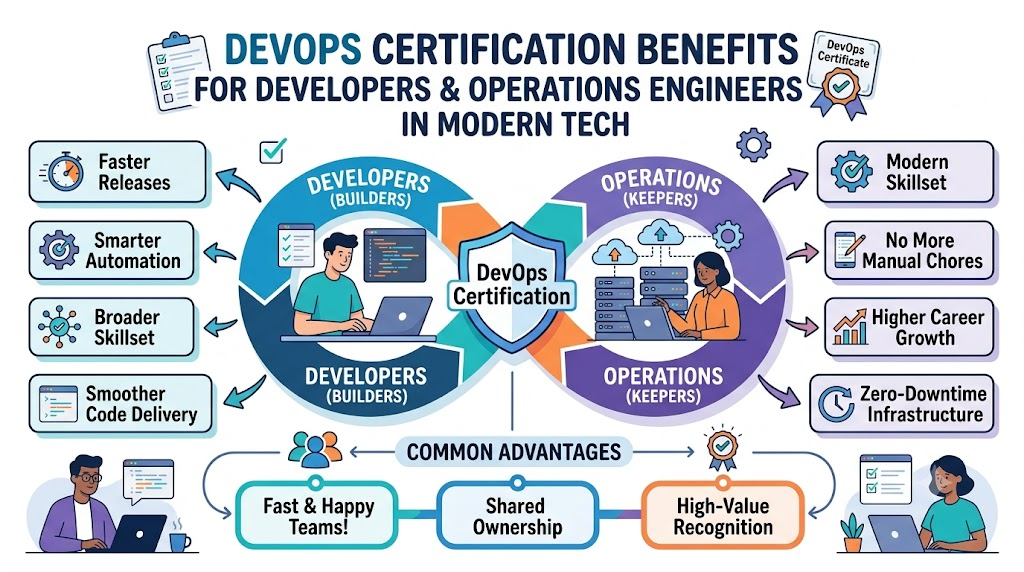
    Modern software delivery demands speed, stability, and seamless collaboration between software developers and IT operations teams. Therefore, mastering end-to-end automation pipelines has become essential for anyone looking to scale enterprise platforms reliably. Enrolling in structured programs through DevOpsSchool provides professionals with hands-on exposure to industry-standard toolchains, real-time debugging workflows, and cloud infrastructure management. Consequently, engineers transition from basic scripting tasks to leading multi-cloud architecture projects with confidence.

    Modern engineering environments no longer tolerate siloed teams, manual server deployments, or fragmented communication channels. Instead, cross-functional engineering teams manage platform lifecycles through automated delivery systems, containerized clusters, and continuous feedback loops. Thus, technical teams improve product delivery velocity while maintaining zero-downtime availability for critical user services.

    Furthermore, adopting unified operational workflows reduces production incident resolution times significantly. When engineers learn to integrate security, cloud orchestration, and automated testing into their daily work, product quality increases dramatically across every release cycle.

    Understanding Modern Engineering Methodologies and Architecture

    Engineering teams often struggle with slow deployments when they maintain manual handoffs between development and infrastructure management. However, adopting unified operational methodologies bridges this operational gap by standardizing code integration, automated testing, and dynamic infrastructure provisioning into a single, cohesive lifecycle.

    Consequently, developers write code while operations specialists define the runtime environments programmatically. This collaborative integration ensures fast feedback loops, early defect detection, and reliable rollouts across hybrid enterprise environments.

    Core Architectural Foundations

    +-------------------------------------------------------------------+
    |                        Unified Pipeline Lifecycle                 |
    +-------------------------------------------------------------------+
    |  Plan & Code  -->  Continuous Integration  -->  Continuous Deploy |
    |       |                     |                          |          |
    |  Git Versioning       Automated Testing         Container Rollout |
    +-------------------------------------------------------------------+
    |  Operate & Monitor  <--  Infrastructure as Code  <--  Secure Build|
    +-------------------------------------------------------------------+
    

    Essential Competency Breakdown

    • Continuous Integration: Developers commit code changes frequently to a shared repository, which automatically triggers build scripts and comprehensive unit tests.
    • Continuous Delivery and Deployment: Automated staging systems package, validate, and push production-ready artifacts to target runtime clusters seamlessly.
    • Infrastructure as Code: System engineers define cloud networks, storage volumes, and server clusters using version-controlled configuration templates.
    • Observability and Monitoring: Distributed tracing, centralized log aggregation, and real-time metric tracking detect performance bottlenecks before users experience service degradation.

    Key Operational Concepts You Must Know

    To manage modern production infrastructure effectively, engineers must understand core operational primitives that govern high-availability distributed systems.

    Version Control and Distributed Repositories

    First, distributed version control serves as the absolute source of truth for application logic, runtime configuration, and platform orchestration scripts. Modern teams maintain branching strategies, such as trunk-based development, to prevent code drift and simplify concurrent feature releases.

    Moreover, version-controlled repositories enable instant rollbacks during platform outages. As a result, operations teams restore stable configurations within seconds by reverting misconfigured commits directly in the repository history.

    Continuous Integration and Automated Delivery Pipelines

    Next, continuous integration engines eliminate painful manual code merges by validating every pull request automatically. When automated suites execute unit tests, static code analysis, and artifact generation, regressions get blocked before hitting staging environments.

    In addition, continuous delivery pipelines deploy validated software packages into testing and production environments without manual intervention. This reliable flow minimizes human error and guarantees consistent deployment standards across every environment.

    Immutable Infrastructure and Container Orchestration

    Furthermore, containerization packages application dependencies, binaries, and system libraries into lightweight, reproducible execution units. Containers eliminate the classic runtime mismatch where software works on local machines but fails in production clusters.

    Meanwhile, orchestration engines schedule, scale, and heal containerized workloads dynamically across server fleets. Consequently, platforms handle sudden traffic spikes automatically by launching additional container replicas without manual administration.

    Platform Implementation vs. Culture — What’s the Real Difference?

    Organizations often mistake buying modern cloud tools for achieving operational excellence. However, tools alone cannot fix broken organizational workflows or eliminate team friction.

    DimensionPlatform Implementation (Tooling)Cultural Transformation (People & Mindset)
    Primary FocusAutomation pipelines, cloud platforms, container enginesCollaborative ownership, psychological safety, transparent communication
    Key DeliverablesScripts, dashboards, deployment pipelines, infrastructure templatesShared operational responsibility, blameless reviews, continuous learning
    Measurement MetricsDeployment frequency, lead time for changes, server uptimeMean time to recover, team trust scores, cross-functional agility
    Failure ResponseTriggering alerts, spinning up backup instances automaticallyConducting blameless post-mortems, identifying root systemic causes

    The Power of Cultural Transformation

    Adopting automation platforms provides immediate tactical efficiency, yet establishing a collaborative culture drives long-term organizational success. When teams share operational accountability, developers proactively write resilient code because they understand production deployment constraints.

    Similarly, operations engineers assist product developers early in the development lifecycle by provisioning standardized self-service developer environments. Therefore, technical teams reduce delivery friction and eliminate long-standing departmental rivalries.

    Real-World Use Cases of Modern Operations

    Enterprise organizations across diverse business sectors rely on modern operational engineering practices to stay competitive and secure.

    High-Frequency Financial Trading Platforms

    Financial institutions manage strict regulatory compliance requirements while processing millions of transactions per second. Consequently, financial engineering teams implement automated compliance checking directly inside their deployment pipelines.

    Every code change undergoes automated vulnerability scanning, access-control auditing, and unit testing before reaching production clusters. As a result, banks release secure features rapidly while satisfying demanding regulatory oversight mandates.

    Global E-Commerce Platforms During Peak Traffic Events

    During major shopping holidays, global retail platforms experience massive surges in user traffic. By leveraging dynamic container orchestration and auto-scaling policies, these platforms scale server capacity up and down based on real-time consumer demand.

    Furthermore, automated canary deployments allow engineering teams to test new checkout algorithms on small user cohorts safely. Thus, technical teams release new promotional tools during live sales events without risking sitewide downtime.

    Streaming Media Services Handling Distributed Content Delivery

    Global streaming networks distribute petabytes of video data daily to millions of concurrent connected devices. These organizations deploy continuous telemetry collectors and real-time observability dashboards to track edge network performance.

    When regional connection latencies spike, automated routing systems shift network traffic to healthy edge servers instantly. Therefore, global viewers enjoy uninterrupted streaming quality without noticing underlying infrastructure adjustments.

    Common Mistakes in Operations Engineering

    Even experienced engineering teams encounter operational pitfalls when modernizing their infrastructure architectures.

    • Treating Automation Scripts as Throwaway Assets: Teams frequently write shell scripts without version control, modular structures, or unit tests, creating technical debt.
    • Over-Engineering Toolchains Too Early: Adopting complex multi-cloud orchestration platforms before standardizing basic container builds introduces needless operational complexity.
    • Ignoring Observability and Distributed Tracing: Focusing entirely on deployment pipelines while neglecting centralized logging makes troubleshooting live production outages nearly impossible.
    • Siloing Security into an Isolated Stage: Postponing vulnerability assessments until late deployment stages causes severe release delays and leaves infrastructure vulnerable.
    • Neglecting Blameless Post-Mortems: Blaming individual engineers for production failures destroys team psychological safety and hides systemic architectural flaws.

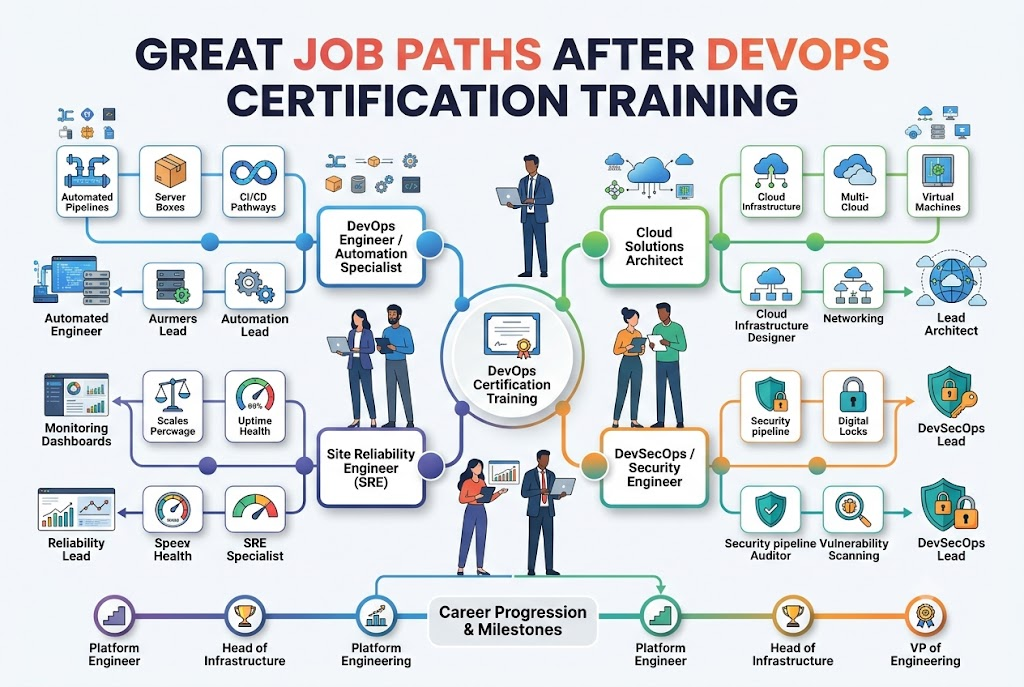
    How to Become an Operations Expert — Career Roadmap

    Transitioning into an advanced operational engineering role requires a clear, structured learning strategy across software development, systems administration, and cloud architecture.

    +--------------------------------------------------------------------+
    |                      Operations Career Roadmap                     |
    +--------------------------------------------------------------------+
    |  Phase 1: Foundations   --> Linux, Bash, Git, Networking           |
    |  Phase 2: Automation    --> CI/CD Pipelines, Python, Scripting     |
    |  Phase 3: Containers    --> Docker, Kubernetes, Service Meshes     |
    |  Phase 4: Cloud & IaC   --> Terraform, Multi-Cloud Orchestration   |
    |  Phase 5: Observability --> Prometheus, Grafana, Distributed Tracing|
    +--------------------------------------------------------------------+
    

    Structured Career Progression Milestones

    1. System Administration and Networking Fundamentals: Master Linux distributions, shell scripting, process scheduling, memory diagnostics, DNS configuration, and TCP/IP networking models.
    2. Version Control and Pipeline Automation: Build end-to-end continuous integration pipelines using modern automation engines to compile code, run test suites, and produce versioned binaries.
    3. Containerization and Orchestration: Package multi-tier microservice architectures into optimized container images and manage production deployments using container orchestration systems.
    4. Declarative Infrastructure Management: Write modular Infrastructure as Code templates to provision virtual networks, database instances, and load balancers programmatically.
    5. Observability, Site Reliability, and Chaos Engineering: Implement metric dashboards, distributed tracing collectors, alerting policies, and proactive fault-injection testing to build resilient platforms.

    FAQ Section

    1. What technical prerequisites do I need before starting this learning path?You should understand basic command-line navigation, fundamental networking concepts, and at least one programming or scripting language, such as Python or Bash.
    2. How does an operations engineer differ from a traditional systems administrator?Systems administrators traditionally manage physical hardware and manual configurations, whereas modern operations engineers write software code to automate dynamic cloud infrastructure.
    3. Which scripting language should aspiring platform engineers learn first?Python and Go remain the most effective languages to learn because enterprise tools, cloud APIs, and container platforms integrate natively with their ecosystems.
    4. Is continuous deployment safe for enterprise organizations with strict compliance standards?Yes, continuous deployment incorporates automated compliance scanning, static security analysis, and policy-as-code validations directly into the pipeline to enforce compliance continuously.
    5. How long does it take to gain production-ready operations engineering skills?Most engineers require between six to nine months of consistent, hands-on project work to master containerization, infrastructure provisioning, and continuous delivery systems.

    Final Summary

    Modern software delivery relies heavily on automation, cross-functional collaboration, and resilient cloud architectures. By mastering continuous integration pipelines, container orchestration, and infrastructure as code, engineers empower organizations to ship high-quality features rapidly.

    Furthermore, combining modern platform tooling with a blameless culture creates high-performing technical teams capable of scaling enterprise platforms reliably. Embracing continuous learning and adopting practical hands-on labs ensures you remain competitive, adaptable, and successful throughout your engineering career.

  • Hello world!

    Welcome to WordPress. This is your first post. Edit or delete it, then start writing!